
Best Fitness Recovery Equipment for Home
The gap between a hard workout and feeling ready again is where results are won or lost. The right fitness recovery equipment helps close that gap - not with gimmicks, but with practical tools that reduce soreness, support circulation, calm the nervous system, and make recovery part of daily life instead of an afterthought.
For many people, recovery used to mean stretching for five minutes and hoping for the best. That approach works until training volume climbs, work stress piles up, sleep gets inconsistent, or age starts changing how the body responds. Home recovery tools solve a very modern problem: you want spa-grade support, but you do not want to build your schedule around driving to a gym, wellness club, or treatment center.
What fitness recovery equipment actually does
Good recovery equipment is not about replacing discipline. It supports it. The goal is to help your body shift out of constant strain and back toward repair, so you can train consistently, move comfortably, and maintain energy beyond the gym.
Some equipment improves blood flow and tissue temperature. Some helps manage inflammation and post-workout soreness. Some reduces muscular tension. Other tools are less about muscle tissue and more about stress regulation, which matters more than many high performers realize. If your nervous system stays elevated all day, recovery slows down even when your workouts are well designed.
That is why the best setups are rarely built around one category alone. Heat, cold, compression, massage, and low-impact movement each serve a different role. The smart approach is to choose based on your training style, schedule, space, and tolerance for routine.
The most effective types of fitness recovery equipment
Saunas for heat-based recovery
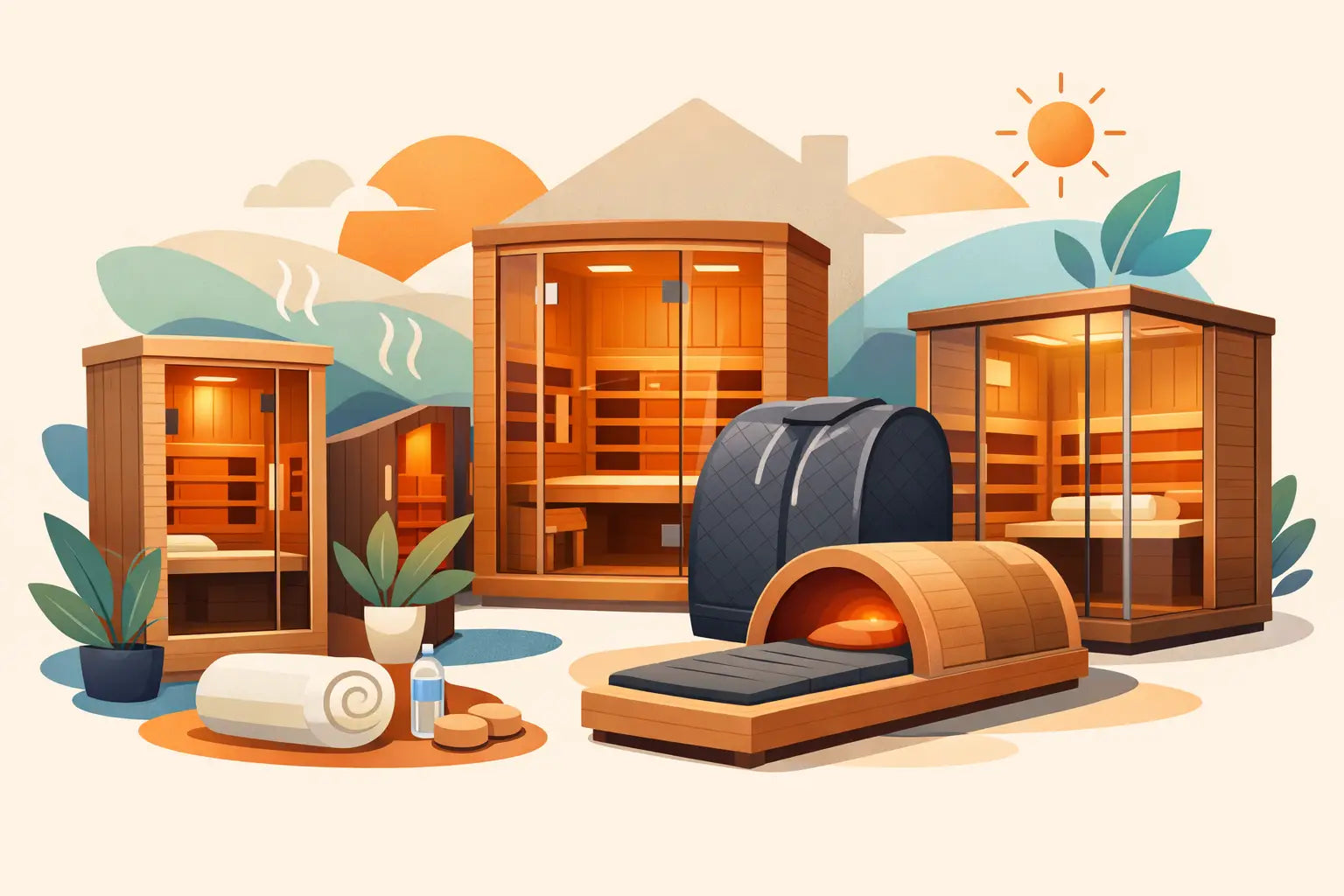
A home sauna is one of the strongest anchors for a premium recovery space. Heat helps increase circulation, ease stiffness, promote relaxation, and create a clear transition out of training mode. For many adults balancing work, family, and exercise, that last benefit is the one that keeps the habit going.
Saunas are especially appealing if your soreness tends to feel like deep tightness rather than sharp irritation. They can also complement strength training, endurance work, and general stress management. The trade-off is that heat is not always the right move immediately after very intense sessions if you are already dehydrated or overheated. It depends on timing, hydration, and how your body responds.
For the home buyer, the real value is consistency. A sauna that is steps away from your shower is far more likely to become part of your week than a recovery plan that requires commuting.
Cold plunges for inflammation and mental reset
Cold plunges have moved well beyond trend status because they offer something people can feel quickly. Cold exposure can help reduce post-exercise discomfort, sharpen focus, and create a powerful mental reset. Many users also value the sense of discipline that comes from stepping into cold water on purpose.
That said, cold therapy is not one-size-fits-all. If your primary goal is muscle growth, frequent immediate post-lift cold exposure may not always align with that objective. If your goal is reducing soreness, recovering between competitions, improving resilience, or staying consistent with training during demanding weeks, it can be a strong fit.
Cold plunges work best when they are used intentionally rather than randomly. The high performer’s mistake is often doing every recovery method, every day, without a reason. Better recovery usually comes from choosing the right stimulus at the right time.
Massage chairs and percussion tools for muscle tension
When people say they are sore, they often mean two different things: tissue fatigue and accumulated tension. Massage-based recovery equipment is especially useful for the second issue. A quality massage chair can help release tightness across the back, hips, shoulders, and legs while also shifting you into a calmer state.
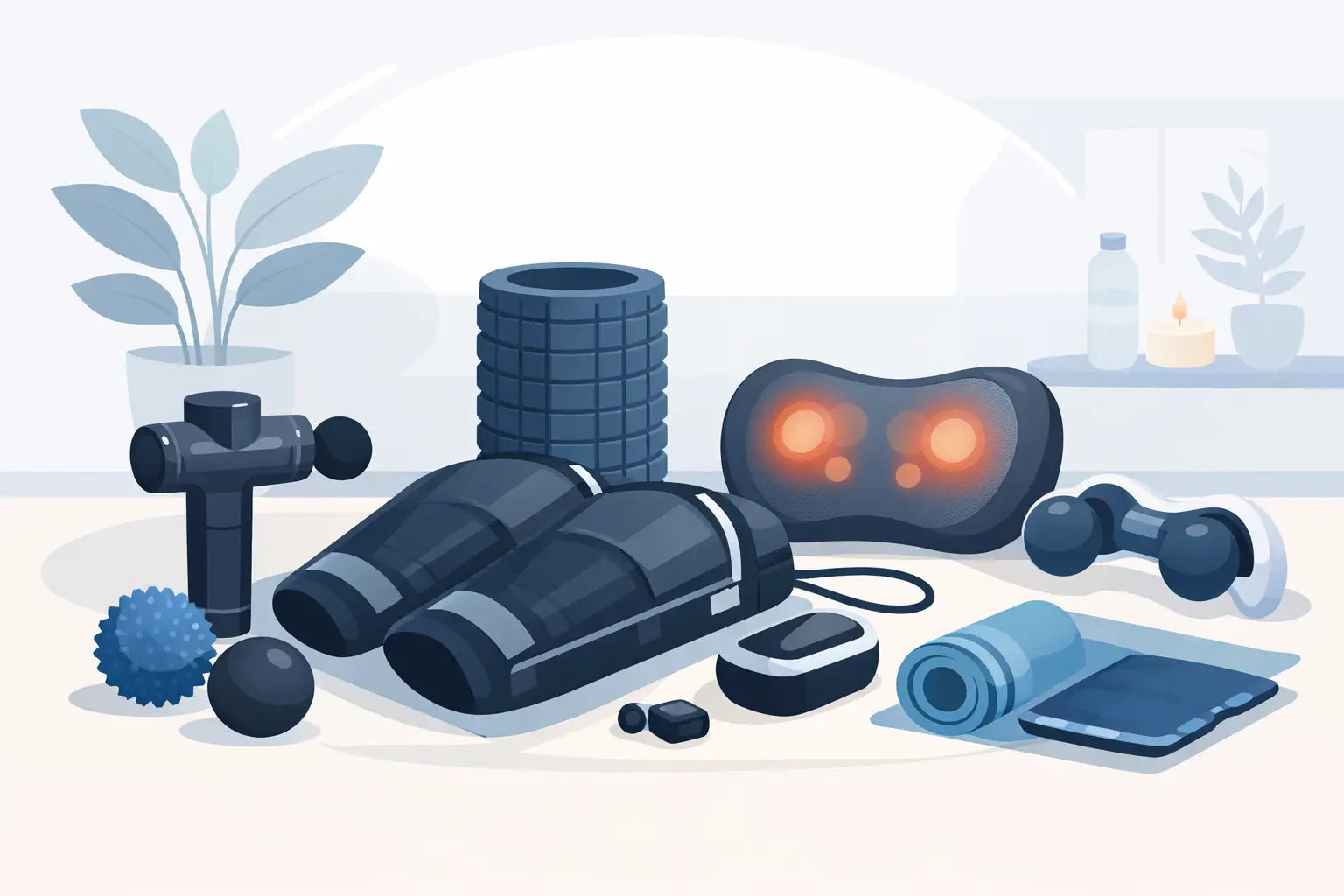
Percussion tools are more targeted and more active. They are helpful when you know exactly where the tension sits and you want a quick session before or after training. Massage chairs, by contrast, create a more passive and immersive experience. They fit well in homes where recovery needs to happen without extra effort.
The trade-off is precision versus convenience. Percussion devices are portable and less expensive. Massage chairs offer a more elevated routine and often deliver better adherence because they feel restorative, not clinical.
Compression and boots for heavy legs and circulation support
Compression systems are popular with runners, cyclists, athletes who train frequently, and anyone who gets that heavy-leg feeling after intense sessions or long days on their feet. These tools use rhythmic pressure to support circulation and reduce that sluggish, swollen sensation that can linger after hard output.
They are particularly useful because they demand almost nothing from the user. Sit down, turn them on, and recover while answering emails or winding down in the evening. For busy professionals, that efficiency matters.
Compression gear may not offer the dramatic sensory experience of hot or cold therapy, but it often earns a permanent place in a routine because it is easy to use consistently.
Low-impact cardio and movement equipment
Not all recovery equipment looks like recovery equipment. Treadmills, bikes, rowers, and other fitness machines can support recovery when used at the right intensity. Gentle movement helps circulation, reduces stiffness, and keeps the body from settling too deeply into post-exercise fatigue.
This matters for people who train hard but sit for most of the day. Even a short zone 1 or easy zone 2 session can help you feel better the next morning. The mistake is pushing too hard and turning recovery into another workout. Recovery movement should leave you fresher, not flatter.
How to choose fitness recovery equipment for your home
The best purchase is not the most advanced item. It is the one that matches your life. A cold plunge sounds compelling, but if you hate cold and will avoid using it, the value disappears. A luxury massage chair may be a better investment if stress and tension are your biggest barriers.
Start with the problem you want to solve most often. If you are constantly tight and mentally switched on, prioritize heat or massage. If you deal with post-training inflammation, swelling, or repeated bouts of soreness, cold or compression may make more sense. If your issue is inconsistency, choose equipment that is convenient enough to become automatic.
Space should guide the decision too. A dedicated wellness room creates a stronger ritual, but many people begin with one premium piece and build from there. That approach is often smarter than buying several lower-quality tools at once.
Budget matters, but so does cost per use. High-end fitness recovery equipment can be a meaningful investment, yet it often replaces ongoing spending on studio sessions, spa visits, or recovery memberships. More importantly, it saves time, which is often the scarcer resource.
Building a recovery routine that actually sticks
A beautiful home setup only works if it becomes part of your rhythm. The strongest routines are simple. Use heat in the evening two or three times a week. Use compression after your hardest training days. Add light movement on off days. Reach for massage when travel, work stress, or heavy lifting starts building tension.
You do not need an extreme protocol. You need repeatable behavior. That is where premium home wellness products shine. They reduce friction and make recovery feel like a natural extension of training, not a separate project.
For households investing in elevated living, there is another benefit. Recovery equipment often serves more than one person. One partner may use a sauna for stress relief, while another uses it after workouts. A massage chair may support athletic recovery, but it can also improve evening downtime after long hours at a desk. The result is not just better workouts. It is a better home environment.
Why premium recovery at home keeps gaining ground
People are becoming more selective with their time. They want tools that support performance, longevity, and daily well-being without requiring another appointment. That is why home recovery has moved from niche luxury to smart lifestyle upgrade, especially among homeowners creating dedicated wellness spaces in markets like Houston, Atlanta, New York, and California where convenience and quality carry real weight.
The shift is not about chasing trends. It is about bringing high-value habits closer to where real life happens. SaunaFit Recovery reflects that shift by curating equipment that supports both restoration and performance in one place, making it easier to build a home environment that works as hard as you do.
The strongest recovery setup is the one you return to consistently - the one that helps you wake up looser, clearer, and more ready for the next demand on your body and mind.