
How to Install Cold Plunge at Home
A cold plunge can look simple once it is in place. Getting there is where the real difference is made. If you are researching how to install cold plunge systems at home, the goal is not just to get cold water running. It is to create a setup that feels intentional, performs reliably, and fits the standard of the rest of your wellness space.
For some homes, installation is straightforward. For others, the best result comes from slowing down and planning around drainage, power, flooring, and access before the unit ever arrives. That extra thought pays off every day after. A well-installed cold plunge feels like part of your routine. A rushed install feels like a project you keep managing.
Start with the right location
The first decision matters more than most buyers expect. Where you place the plunge affects maintenance, comfort, and long-term performance.
Indoor installation gives you the most controlled environment. You are protected from weather, debris, and temperature swings. Basements, home gyms, spa rooms, and covered wellness spaces are common choices. The trade-off is that indoor setups demand more attention to ventilation, flooring, and drainage. Water splashes. Humidity builds. If the room is not designed to handle moisture, the space can become harder to maintain than the plunge itself.
Outdoor installation can be a strong fit if you want a resort-style recovery area or if your indoor footprint is limited. It also makes drainage and cleanup easier in many cases. But outdoor placement introduces exposure to heat, cold, leaves, dust, and direct sun. In states like California, where year-round outdoor wellness spaces are common, location still needs protection from harsh afternoon sun and enough clearance for service access.
Whichever direction you choose, look for a level surface, easy entry and exit, and enough room around the tub to move comfortably. A premium cold plunge should feel integrated into your environment, not squeezed into a spare corner.
How to install cold plunge systems without site mistakes
Most installation problems begin before setup day. They start with assumptions about size, weight, and utility access.
Check the product dimensions carefully, including clearance for the lid, steps, chiller connections, and any side access panels. Then measure your doors, gates, hallways, and turns. A unit that fits the room on paper can still become difficult to deliver if the path into the space is tight.
Weight is the next factor. Water is heavy. Once filled, a cold plunge can place a significant load on the floor or patio. Ground-level concrete is usually the easiest scenario. Upper floors, decks, and framed interior spaces may require a contractor or structural review. This is especially relevant in older homes and urban properties in places like New York, where space is tighter and building conditions vary more.
The installation surface should be stable, level, and water-friendly. Concrete, reinforced decking, tile, and certain composite surfaces work well. Carpet, untreated wood, and uneven pavers do not. If the base is off, water levels can sit unevenly and stress the unit over time.
Plan power before the plunge arrives
Power is one of the biggest it depends factors in any cold plunge install. Some units plug into a standard outlet. Others need a dedicated circuit or a specific voltage requirement. That is why the manufacturer specifications matter more than guesswork.
Do not assume the nearest outlet is enough. A cold plunge with an integrated chiller, filtration, or heating function may require more than a standard shared household circuit should carry. If your chosen model calls for dedicated power, bring in a licensed electrician before delivery day.
For indoor setups, keep the power source safely positioned away from splash zones while still remaining accessible. For outdoor installations, use weather-appropriate connections and code-compliant protection. This is not the place to cut corners. Cold therapy should feel disciplined and restorative, not risky.
If you are building a more complete recovery area with sauna, plunge, and fitness equipment, planning electrical capacity together often saves time and keeps the final space cleaner.
Water access and drainage matter more than aesthetics
A beautiful install still has to function every week. That comes down to filling, draining, and cleaning the unit without turning the process into a chore.
Most cold plunges can be filled with a standard garden hose or nearby water source. That sounds easy, but you still want to think through the route. Long hose runs across finished interiors are inconvenient. Tight mechanical rooms can make access awkward. If you are creating a dedicated wellness room, placing the plunge near a practical water source makes ownership easier.
Drainage deserves equal attention. Some users assume they can simply empty the tub wherever it sits, but that depends on the water volume, surrounding surface, and local conditions. Indoors, a floor drain is ideal. If that is not available, you may need a pump-assisted drain plan or a nearby utility sink. Outdoors, draining onto landscaping or decorative surfaces may not be appropriate, especially if water treatment products are used.
This is where installation becomes part design and part discipline. The best setup is the one you can maintain without friction.
Indoor setup details that improve the experience
If your cold plunge is going inside, build the surrounding space with moisture in mind. This is not just about protecting walls. It is about preserving the premium feel of the room.
Use flooring that tolerates water and gives secure footing when wet. Add a mat or anti-slip surface where you step out. Keep towels, robes, and storage within easy reach so the transition feels clean and controlled. If the room is enclosed, ventilation is worth taking seriously. Even a compact plunge changes the moisture profile of the room, especially when paired with sauna use.
Lighting matters too. A recovery room should feel calm, not clinical. But avoid finishes and fixtures that are overly delicate around moisture. The strongest home wellness spaces balance performance with polish.
Outdoor setup needs more protection than you think
Installing outdoors can feel easier at first, but good placement is still strategic. A covered patio, pergola, or partially sheltered wellness zone helps protect the plunge from debris and reduces wear from direct exposure.
Think about privacy, sun, and seasonal use. Direct sun can warm the water and make the chiller work harder. Wind can make entry less comfortable. Trees may look great nearby but can create a constant cleanup cycle. In hot climates like Houston or Atlanta, shade and airflow make a real difference in how pleasant the setup feels day to day.
Also consider the path back inside. After a cold plunge, a short, safe walk to a towel station, shower, or lounge area makes the ritual feel elevated rather than improvised.
Installation day: what to expect
Once the site is ready, installation is usually a matter of placement, connection, fill, startup, and system check. The exact sequence varies by model, especially if the tub and chiller are integrated or separate.
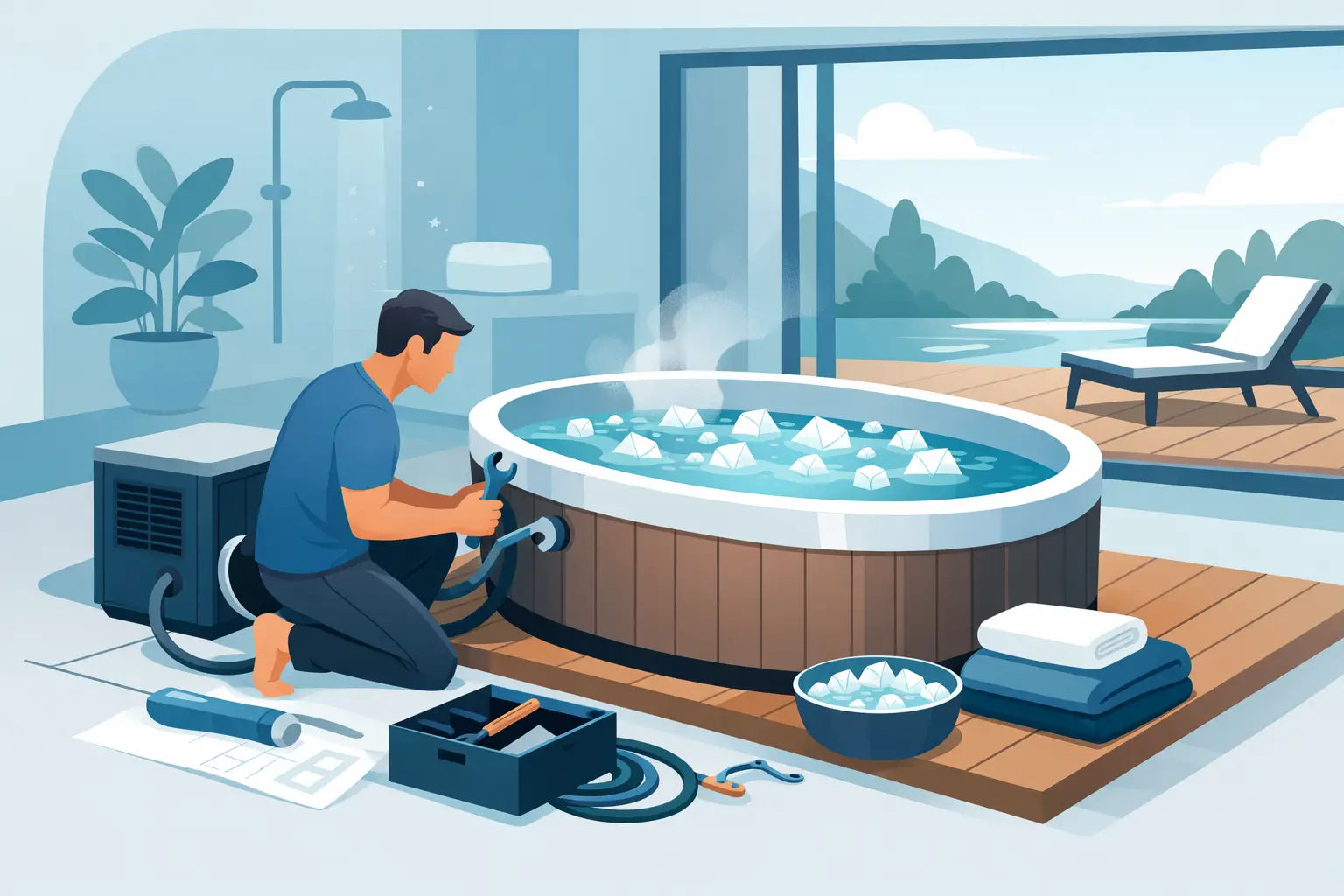
Set the unit in its final position first. Make sure it is level before filling. Connect hoses, fittings, or external chilling components according to the manufacturer instructions. Fill the tub fully before turning on equipment if the system requires water in place for safe operation. Then power up, set your temperature, and allow the system time to stabilize.
Do not rush the first use. Check for leaks, verify circulation, and make sure drainage works as expected. If the plunge includes filtration, sanitation, or app-based controls, take a few extra minutes to understand those features now. A luxury recovery product should feel easy to own, and that starts with knowing how it actually runs.
When professional help is the smarter move
If you are still wondering how to install cold plunge equipment on your own, the honest answer is that some buyers should not. Not because the process is overly complex, but because the best outcome depends on the room, utilities, and finish level you want.
Professional help makes sense if you need electrical work, structural review, new drainage solutions, or coordinated delivery into a difficult space. It also makes sense if this plunge is part of a larger wellness buildout. In those cases, a cleaner install protects both the product and the experience.
For many homeowners, the real luxury is not doing every step personally. It is having the space prepared correctly so recovery fits into life without friction.
A cold plunge earns its place when it becomes easy to use. Install it with the same intention you bring to training, recovery, and the way you want your home to feel, and the payoff starts long before the water turns cold.