

Article: Luxury Home Wellness Room Ideas That Work
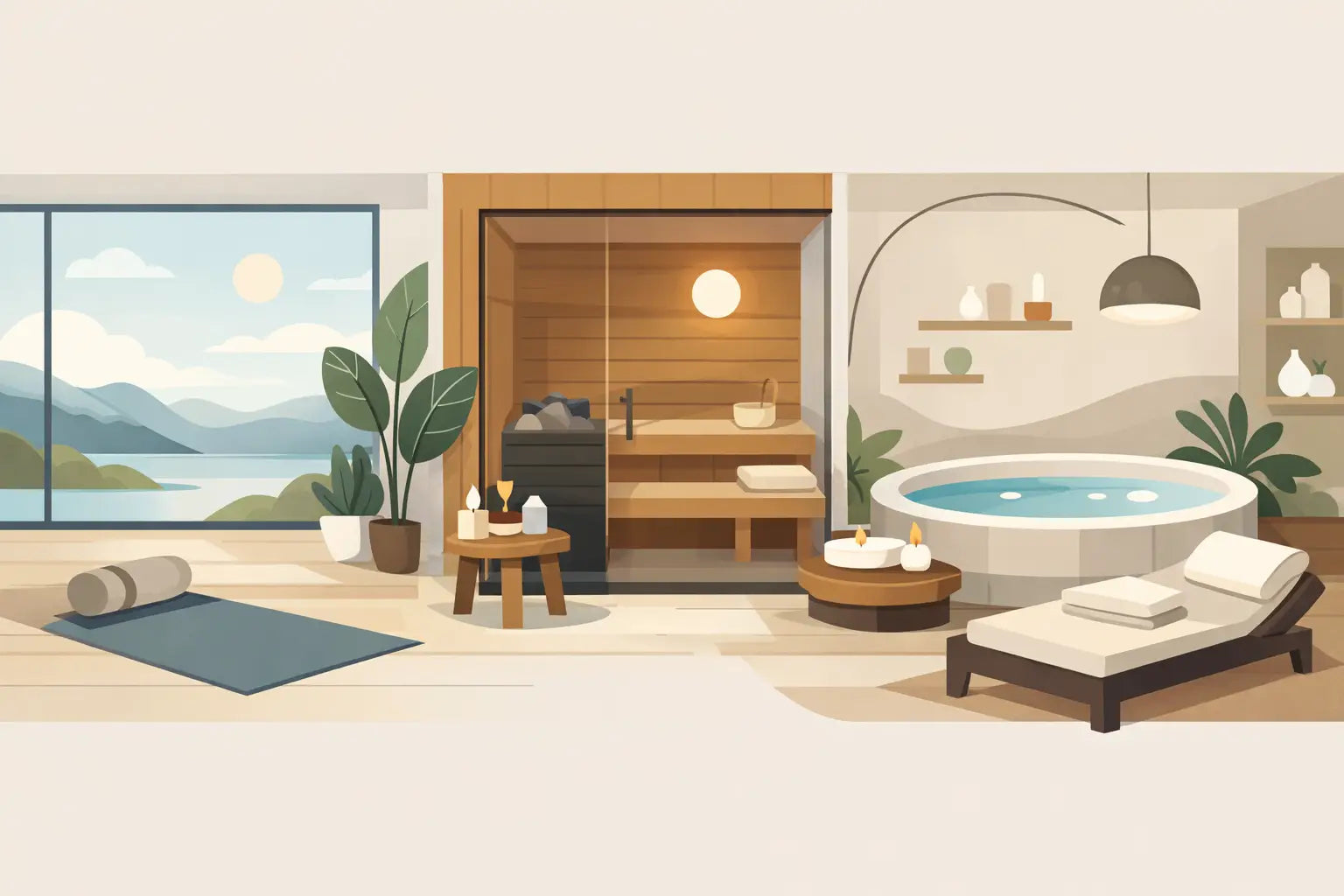
Luxury Home Wellness Room Ideas That Work
A great workout space pushes you. A great spa calms you. A luxury home wellness room should do both without asking you to leave the house.
That is why the best rooms are not built around a trend or a single statement piece. They are built around how you want to feel at 6 a.m. before the day starts, after a hard training session, or at the end of a high-pressure week. When the room is planned well, it becomes more than a design upgrade. It becomes part of your rhythm, your recovery, and your standard for daily living.
What makes a luxury home wellness room feel truly elevated
Luxury in this category is not about excess. It is about intention. The room should feel calm, private, and highly functional, with every element supporting restoration or performance.
That usually starts with space planning. A cramped setup with premium equipment still feels compromised. A well-zoned room, even if it is modest in size, feels elevated because movement through the space is easy. You can transition from heat therapy to cold immersion, from bodywork to breathwork, from effort to rest.
Material choices matter just as much as the equipment itself. Natural wood, stone, textured tile, warm lighting, and quiet acoustics create a sensory shift the moment you walk in. This is one of the key differences between a utility room with wellness products and a luxury home wellness room that changes your state of mind.
There is also the matter of consistency. The room should invite use. If it feels too complicated, too clinical, or too detached from your routine, it will sit idle. The best luxury wellness spaces remove friction. Towels are close. Temperatures are easy to control. Seating is comfortable. Storage is clean and discreet. The experience feels effortless, but that ease comes from careful decisions.
Start with the routine, not the products
Many homeowners make the same mistake: they shop first and plan second. The result is often impressive on paper but awkward in real life.
A better approach is to define the room by purpose. If your priority is athletic recovery, your choices will look different from someone focused on stress relief, sleep, and general longevity. There can be overlap, of course, but your main use case should lead.
For some people, the ideal sequence is sauna, cold plunge, and reclined recovery. For others, it is a massage chair, low light, sound control, and quiet decompression after long workdays. Some want a hybrid setup that supports both weekend training and nightly reset. That is where a curated room has an advantage over a random collection of products.
Think in terms of rituals. What will you do in the room, and in what order? How long will you stay? Will you use it solo, with a partner, or as part of a family wellness routine? A room designed around actual habits will always outperform one designed around aspiration alone.
Core zones for a luxury home wellness room
Most successful spaces include two or three zones rather than trying to do everything at once. That keeps the room focused and makes each experience feel more refined.
Heat and hydrotherapy zone
This is often the anchor. A premium sauna, hot tub, or cold plunge creates a clear purpose and gives the room a strong identity. Heat supports relaxation, circulation, and post-workout recovery. Cold exposure can sharpen mood, reduce soreness, and add a performance edge. Used together, they create a powerful contrast therapy setup that feels both indulgent and disciplined.
The trade-off is space, ventilation, and infrastructure. Saunas and hydrotherapy products need proper planning around electrical requirements, moisture management, flooring, and safe access. If you are building from scratch, it is easier to integrate those details early. If you are converting an existing area, your available square footage and utility access may shape the final setup.
Recovery and bodywork zone
A massage chair or dedicated stretching and mobility area brings the room into daily use. Not every session needs to be a full wellness event. Sometimes the room works best when it supports a 15-minute reset between meetings or after a long flight.
This zone should feel grounded and uncluttered. Soft seating, supportive flooring, and enough open space to move matter more than decorative extras. If you train hard, this area may become the most used part of the room because it supports consistency.
Mind-body reset zone
Even performance-focused buyers benefit from a quieter layer of the room. This can be as simple as a lounge chair, a meditation seat, dimmable lighting, and space to breathe.
The point is not to make the room passive. It is to give recovery a final phase. After heat, cold, or massage, the nervous system benefits from a place to settle. That is often the difference between a wellness room that looks premium and one that actually helps you feel restored.
Design details that shape the experience
A luxury room is remembered through details. Lighting is one of the biggest. Bright overhead light can make even a beautiful room feel harsh. Layered lighting, including ambient, indirect, and task lighting, creates control. Morning sessions may call for brighter energy. Evening recovery usually needs something softer.
Sound is another overlooked factor. Hard surfaces can create echo, which works against relaxation. Acoustic treatments, insulated walls, and thoughtful speaker placement can change the room dramatically. If you want the space to feel private, sound control is not optional.
Scent also plays a role, but restraint matters. Clean air, natural materials, and subtle aromatherapy feel refined. Heavy fragrance can quickly tip into artificial.
Then there is storage. A premium room should not have visible clutter. Robes, towels, accessories, hydration, and cleaning items need a home. Built-in cabinetry or concealed storage keeps the visual field calm, which helps the room feel more restorative.
Choosing equipment without overbuilding
The right room is not the room with the most equipment. It is the room with the best alignment between space, goals, and frequency of use.
A sauna is often the strongest foundational investment because it supports both recovery and relaxation while delivering a true spa-grade feel. A cold plunge adds a sharper recovery and resilience component, especially for athletes and high-performers who want a disciplined edge. A hot tub leans more into soothing immersion and social use. A massage chair offers convenience and near-daily usability. Fitness equipment can fit naturally, but only if the room is large enough to separate exertion from restoration.
This is where curation matters. If everything competes for attention, the room loses its purpose. Premium wellness retailers such as SaunaFit Recovery stand out when they help buyers build a complete environment instead of piecing together isolated purchases.
It also helps to be honest about your habits. If you know you will use a massage chair four times a week and a plunge twice a month, that should influence where budget and square footage go. Luxury should support your life, not your fantasy version of it.
Where to put the room
The best location depends on privacy, access, and infrastructure. A primary suite extension creates convenience and a strong personal retreat feeling. A basement can offer generous space and separation from the rest of the home, though it may need more work to feel bright and inviting. A pool house or outdoor-adjacent structure can be exceptional for sauna and cold plunge combinations, especially if indoor moisture is a concern.
What matters most is ease of use. If the room is too far removed from your daily path, usage can drop. Convenience drives habit. Habit drives results.
The real value of a luxury home wellness room
A well-designed wellness room adds beauty to a home, but that is not the main return. The real value is practical and personal. It gives you a place to recover faster, manage stress better, and create rituals that support strength, energy, and resilience.
For busy professionals, it can replace the friction of driving to a club or spa. For athletes, it can make recovery more consistent. For families, it can turn wellness into part of the home culture rather than an occasional outing.
That is what makes this kind of investment compelling. You are not just buying premium equipment or upgrading a spare room. You are creating an environment that supports how you want to live - calmer, stronger, and more intentional.
If you build it around your real routine, a luxury home wellness room does something rare in home design: it looks impressive on day one and feels even better a year later.