Cold Plunge Contrast Therapy Benefits
A hard workout, a long travel day, or a week of nonstop meetings can leave your body feeling heavy and your mind overstimulated. That is where cold plunge contrast therapy benefits stand out. Alternating heat and cold is not just a wellness trend with great lighting - it is a practical way to support recovery, sharpen focus, and turn your home into a more intentional performance space.
What contrast therapy actually does
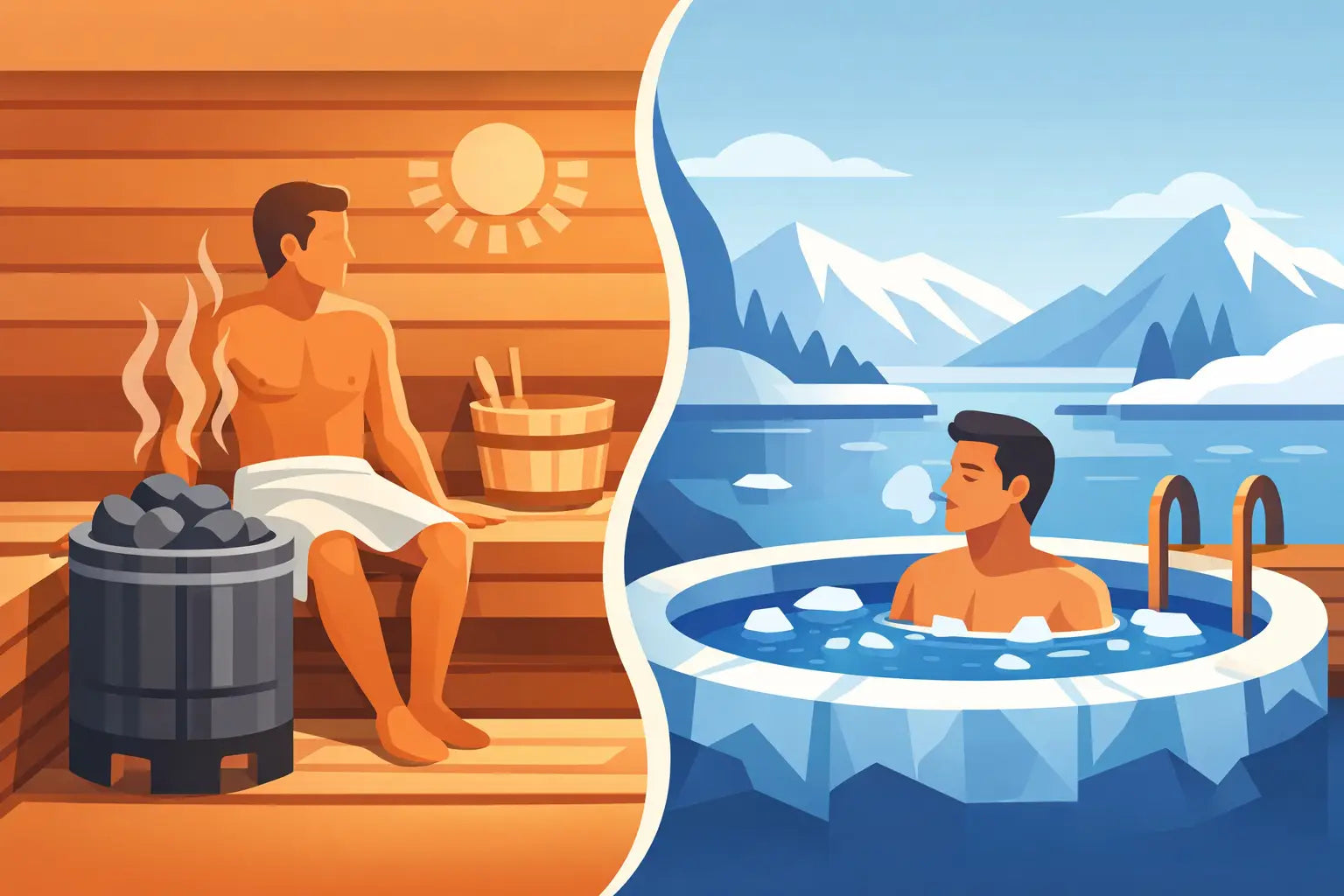
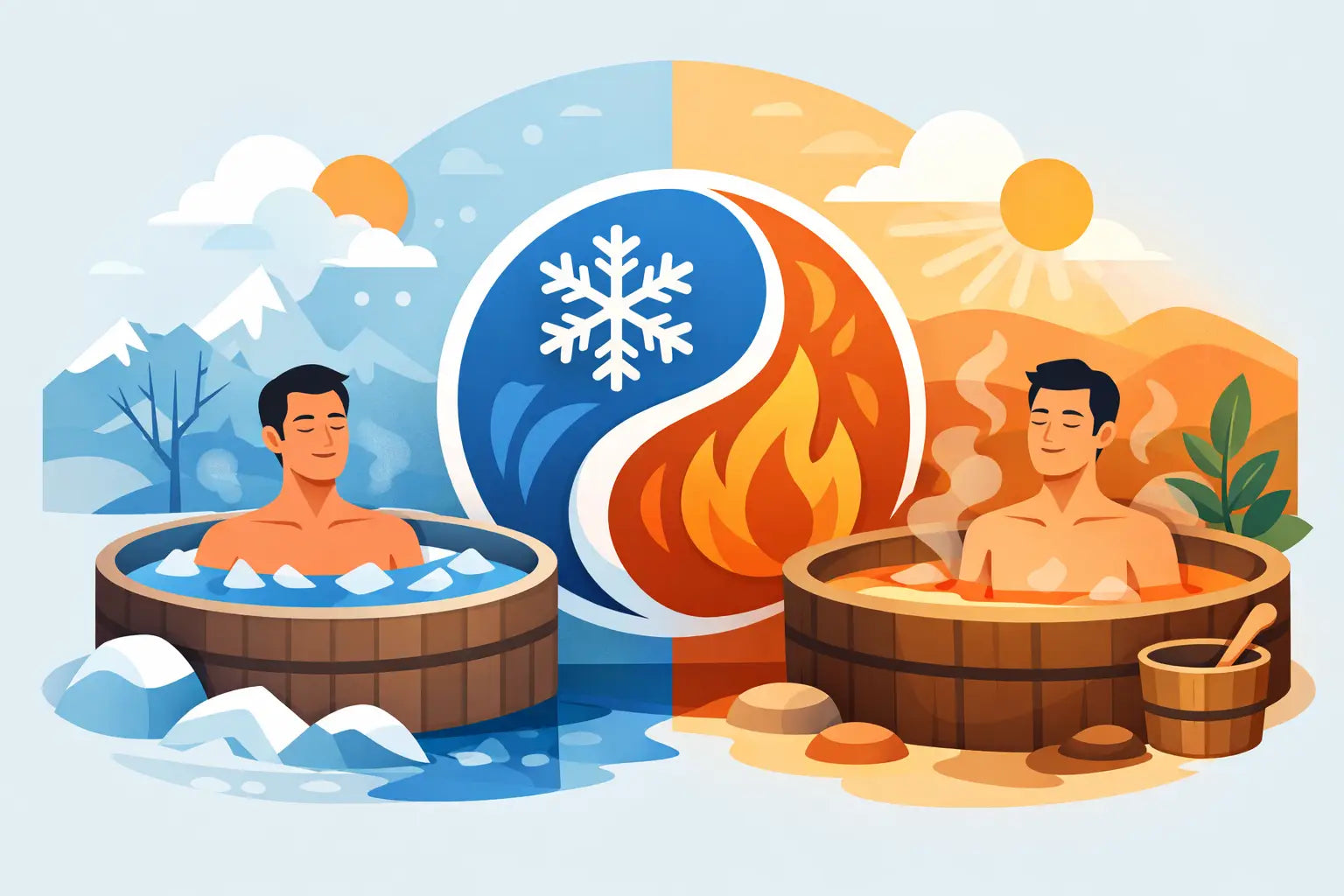
Contrast therapy means moving between heat and cold in a planned sequence, most commonly a sauna or hot soak followed by a cold plunge. The appeal is simple: heat encourages your body to relax, open up, and sweat, while cold creates a strong jolt that can reduce discomfort, increase alertness, and shift how your body responds to stress.
The reason people keep coming back to this practice is the contrast itself. Heat and cold create different physical sensations and different physiological responses. When paired thoughtfully, they can make recovery feel more complete than using either one alone.
For many adults building a home wellness routine, that matters. You are not looking for a novelty. You want something that helps you recover faster, feel clearer, and stay more consistent with training, work, and daily life.
The most meaningful cold plunge contrast therapy benefits
One of the biggest reasons people use contrast therapy is post-exercise recovery. After training, your muscles may feel sore, tight, or inflamed. Heat can help you relax and unwind, while cold may help reduce the perception of soreness and bring a refreshing sense of relief. For active adults, that can make the difference between dragging into the next session and showing up ready.
Circulation is another commonly cited benefit, though it helps to be realistic about what that means. Heat tends to promote vasodilation, and cold tends to promote vasoconstriction. Alternating between the two can create a pumping effect that many people experience as energizing and restorative. It is not magic, and it is not a cure-all, but it can leave you feeling less stagnant and more physically reset.
There is also a strong nervous system component. Heat often nudges the body toward relaxation. Cold demands presence. Together, they can train your ability to move between intensity and calm with more control. That is one reason executives, athletes, and high-performing professionals often describe contrast therapy as mentally clarifying, not just physically helpful.
Stress resilience may be the most underrated benefit of all. A brief cold plunge asks you to stay calm in discomfort. A sauna session asks you to slow down enough to settle into heat. Practiced consistently, that combination can become a daily reset ritual - one that supports better emotional regulation, improved mood, and a stronger sense of discipline.
Sleep can improve too, especially when contrast therapy is used earlier in the evening rather than right before bed. Many people find that a heat session helps them unwind, while the cold portion leaves them feeling refreshed without feeling depleted. Timing matters here. If you are highly sensitive to stimulation, a very intense cold plunge late at night may leave you too alert.
Cold plunge contrast therapy benefits for recovery and performance
If your goal is performance, contrast therapy can fit into your routine in different ways depending on what your body needs. After a demanding strength session, a long run, or a weekend of golf, tennis, or hiking, it may help reduce that worn-down feeling that lingers into the next day.
That said, more is not always better. Some athletes use cold exposure aggressively after every workout, but that approach may not suit every training goal. If you are focused on maximizing certain muscle adaptation signals after strength training, frequent cold exposure immediately afterward may not always be ideal. This is one of those it depends moments. Recovery and adaptation are related, but they are not identical.
For general wellness, fitness recovery, and day-to-day soreness management, contrast therapy can be a strong addition. For highly specific performance goals, it is worth thinking about timing. You may prefer to use it after especially taxing sessions, on rest days, or when your priority is feeling restored rather than pushing adaptation at all costs.
Why heat and cold feel so effective together
Part of the appeal is physiological, and part of it is experiential. Heat encourages stillness. Cold demands deliberate breathing. The transition between the two creates a vivid sense of reset that many people do not get from passive recovery methods.
That sensory contrast can also make the ritual easier to stick with. A recovery practice that feels powerful and noticeable often becomes one you actually maintain. In a home setting, that consistency becomes a serious advantage. You are not carving out hours to visit a spa or recovery studio. You are integrating a high-value ritual into the place where your routine already happens.
For homeowners investing in wellness, that is the bigger story. Contrast therapy supports recovery, but it also shapes behavior. It creates a reason to pause, reset, and care for your body with more structure.
How to use contrast therapy without overdoing it
A smart routine does not need to be extreme. For many people, a simple format works well: spend time in heat, transition into a brief cold plunge, then rest and assess how you feel. Some enjoy multiple rounds, but one or two cycles can be enough.
Your tolerance matters more than anybody else's protocol. A sauna session might last 10 to 20 minutes depending on temperature and experience. A cold plunge might be 30 seconds to a few minutes depending on water temperature, your goals, and your comfort level. If you are new to this, shorter and steadier is often better than dramatic.
Breathing is the skill that ties it together. When you enter cold water, resist the urge to fight it. Slow your breathing, keep your posture steady, and let your body settle. That is where much of the mental training happens.
Hydration matters too. Heat increases fluid loss, and moving from sauna to cold can feel deceptively easy once adrenaline kicks in. Drink water, pay attention to dizziness or excessive fatigue, and stop if your body is telling you it has had enough.
Who should be cautious
Cold plunge contrast therapy benefits can be impressive, but this practice is not right for everyone. People with cardiovascular conditions, uncontrolled high blood pressure, certain nerve disorders, or sensitivity to extreme temperatures should talk with a qualified medical professional first. The same goes for anyone who is pregnant or managing a significant health condition.
Even healthy users should respect the intensity. Going too hot, too cold, or too long can turn a restorative routine into unnecessary stress. Premium wellness works best when it is sustainable. The goal is to feel better and recover better, not to prove toughness.
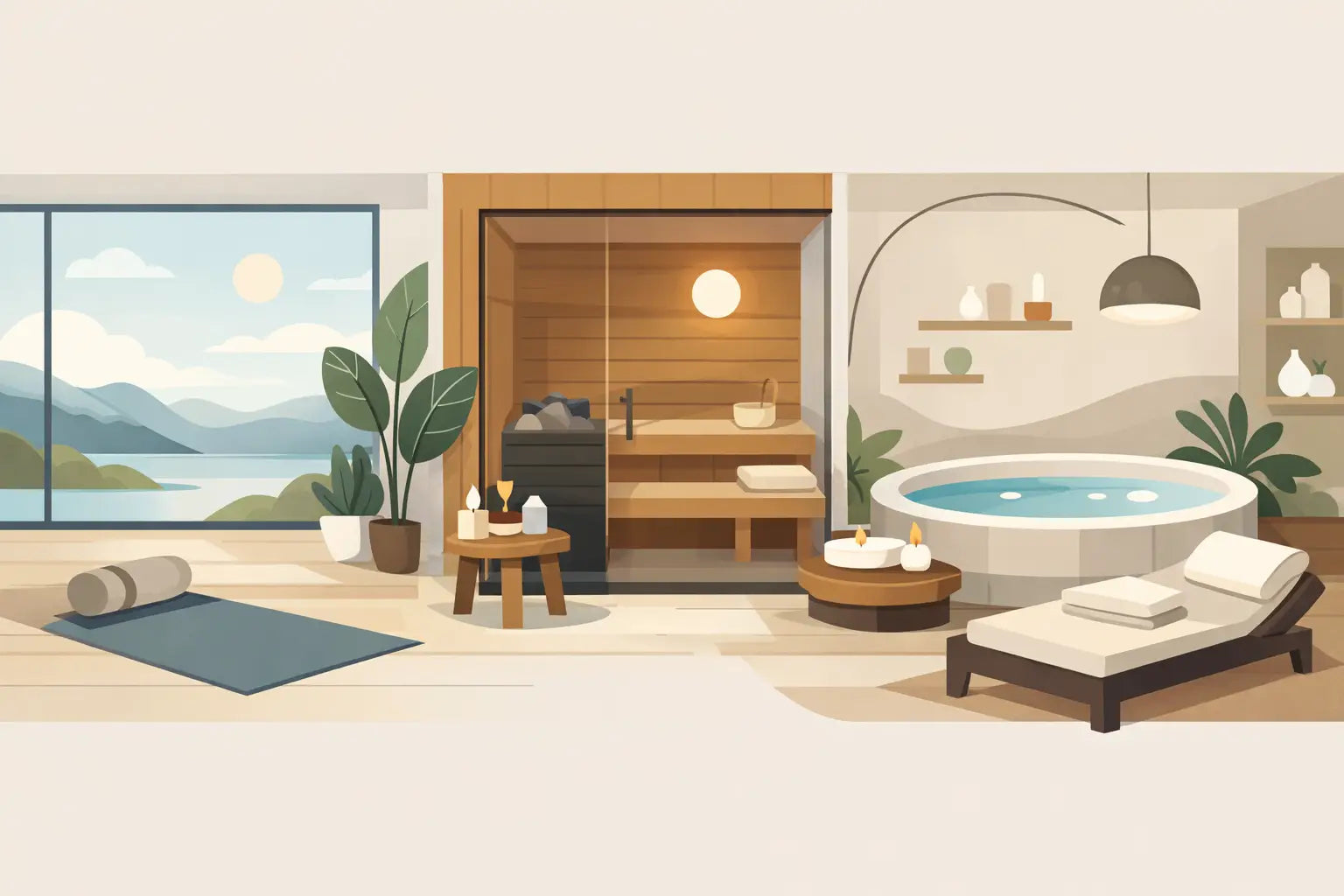
Building the experience at home
The home advantage is not just convenience. It is control. You can tailor the temperatures, the timing, and the atmosphere to your preferences. You can use contrast therapy after a workout, before dinner, or as part of a weekend reset without coordinating your life around a facility schedule.
That is why home recovery spaces have become so appealing for busy professionals and active households. A well-designed setup supports consistency, and consistency is where results tend to show up. Whether your priority is muscle recovery, stress management, or simply feeling sharper in your own body, a home sauna and cold plunge can turn wellness from an occasional treat into a disciplined lifestyle choice.
For shoppers curating that kind of space, the real value is not only what the equipment does. It is what it makes possible. Better routines. Less friction. More moments of deliberate renewal.
A better way to think about results
The best contrast therapy routine is not the one that looks most intense on social media. It is the one you can use regularly, safely, and with purpose. Some people notice less soreness. Others notice calmer mornings, better focus, or an easier time unwinding after work. Those outcomes all count.
If you approach cold plunge contrast therapy benefits as part of a larger recovery strategy - alongside sleep, hydration, movement, and smart training - it becomes far more than a trend. It becomes a system for living with more energy, more resilience, and a stronger connection to how you want to feel each day.
Start with enough structure to be consistent, enough restraint to stay safe, and enough intention to make the ritual your own. That is where elevated wellness stops being aspirational and starts becoming part of real life.