
Sauna Cold Plunge Contrast Therapy Protocol
A great sauna cold plunge contrast therapy protocol should leave you feeling restored, clear, and energized - not wrecked for the rest of the day. That is where many people get it wrong. They treat contrast therapy like a test of toughness, stack on extreme heat and freezing water, then wonder why recovery feels more stressful than restorative.
Used well, contrast therapy can become one of the most effective rituals in a home wellness routine. It supports recovery after training, helps you shift out of a stress-heavy workday, and creates a strong physical reset without demanding much time. The key is not doing more. The key is doing it with intention.
What a sauna cold plunge contrast therapy protocol is really doing
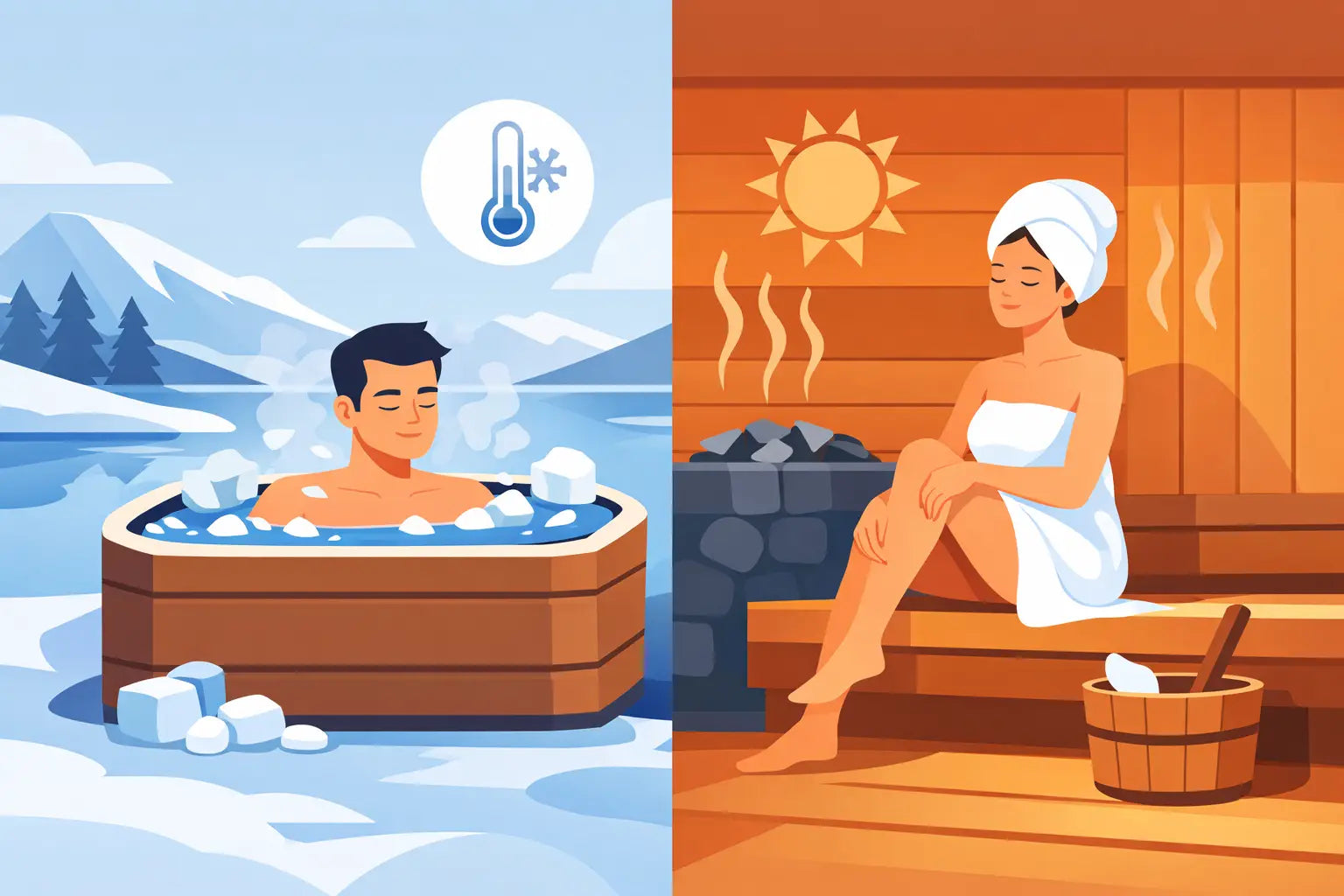
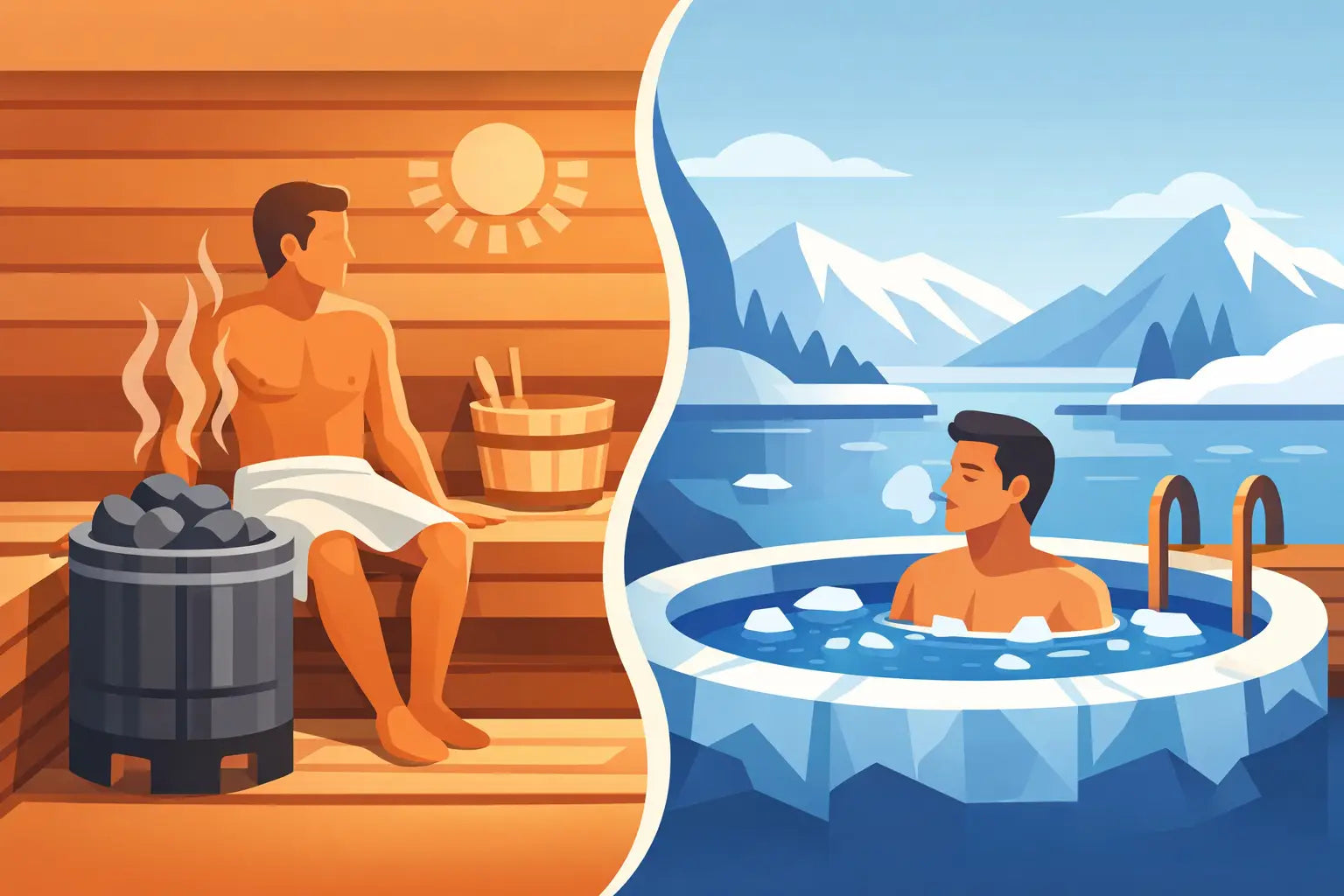
Contrast therapy alternates heat exposure with cold exposure. In practice, that usually means time in a sauna followed by a cold plunge, repeated for a few rounds. The appeal is simple. Heat encourages relaxation, circulation, and muscular ease. Cold sharpens alertness, reduces that overheated feeling, and can feel deeply refreshing after the sauna.
The bigger benefit for many people is the rhythm itself. You move from intensity to relief, from effort to reset. That pattern can help the body and mind shift gears fast, which is exactly why high performers, athletes, and busy professionals often build it into their weekly routine.
That said, more extreme does not automatically mean more effective. Your ideal protocol depends on your goals, your tolerance, your health status, and even the time of day.
The best sauna cold plunge contrast therapy protocol for most people
For most healthy adults, a practical starting point is 10 to 15 minutes in the sauna, followed by 1 to 3 minutes in the cold plunge, repeated for 2 to 4 rounds. After the final cold round, many people prefer a few minutes of seated rest to let the body settle before showering or returning to normal activity.
This works because the sauna portion is long enough to raise core temperature and encourage a sweat response, while the cold portion is short enough to feel bracing without becoming a battle. If you are new to either sauna or cold exposure, scale down both. Eight minutes of heat and 30 to 60 seconds of cold is still a legitimate session.
A useful temperature range is about 160 to 190 degrees Fahrenheit for a traditional sauna and roughly 45 to 55 degrees Fahrenheit for a cold plunge. Those are common targets, not hard rules. A person with years of sauna experience may enjoy higher heat. Someone new to cold plunging may get plenty of benefit from water in the high 50s.
The best protocol is the one you can repeat consistently without dreading it.
A simple baseline routine
If you want a clean, repeatable framework, start here. Spend 12 minutes in the sauna, then 90 seconds in the cold plunge. Repeat that cycle 3 times. Finish with a few quiet minutes of rest and hydrate afterward.
This is enough to feel significant, but not so aggressive that it turns recovery into another workout.
When to shorten or lengthen the session
If your goal is post-workout recovery, shorter cold rounds often make more sense. One to two minutes is usually enough. If your goal is more mental reset and stress relief, you may find the sauna portion deserves a bit more emphasis, with longer heat rounds and brief cold finishes.
If you are training hard, sleeping poorly, or carrying a lot of life stress, be careful about pushing duration. Contrast therapy should help your system regulate, not pile on another stressor.
Timing, temperature, and order matter
Most people do best going from sauna to cold, not the other way around. Heat first opens the session, helps the body relax, and makes the cold plunge feel purposeful rather than shocking. Starting with cold can work, but it is usually more demanding and less appealing for beginners.
There is also a big difference between controlled cold and excessive cold. Water that is too cold can cut your plunge short and turn the experience into survival mode. That may feel impressive, but it often reduces consistency. A cold plunge you can hold with steady breathing is usually the better choice.
The same principle applies to sauna use. If the heat is so intense that you are watching the clock in misery, back it down. Premium wellness is not about suffering for the sake of it. It is about building a ritual that supports stronger living.
How to match the protocol to your goal
A contrast session after strength training may look different from one done on a rest day. If muscle soreness and recovery are the priority, keep the session moderate. Two or 3 rounds are often plenty, with a steady sauna phase and a brief cold phase. If your goal is to sharpen focus in the morning, one or 2 rounds may be enough to create that reset without taking too much time.
For stress management, the strongest move is often to stay conservative. Longer is not always calmer. A measured session with smooth breathing and a composed exit tends to work better than chasing intensity. You should finish feeling grounded, not overstimulated.
If your goal is pure endurance or resilience training, that is where people sometimes overreach. It can be tempting to stretch the heat, drop the water temperature, and add extra rounds. That approach may suit experienced users occasionally, but it should not be your default.
Common mistakes that make contrast therapy less effective
The first mistake is going too hard, too soon. New users often assume they need icy water and prolonged sauna rounds to get results. In reality, consistency beats drama.
The second mistake is ignoring hydration. Sauna use can create significant fluid loss, and cold exposure does not erase that. Going into a session dehydrated can leave you feeling depleted instead of renewed.
The third mistake is using contrast therapy at the wrong time. A late-night, high-intensity session may leave some people too stimulated before bed. Others sleep better after a gentler evening routine. It depends on how your body responds.
The fourth mistake is treating every session the same. Your ideal protocol after a hard leg day may not be the right one after a long flight, a stressful meeting-heavy day, or a poor night of sleep.
Safety matters more than intensity
Contrast therapy is not for everyone in every situation. If you have cardiovascular concerns, blood pressure issues, are pregnant, or have a medical condition that affects heat or cold tolerance, speak with a qualified clinician before starting. The same goes if you have a history of dizziness, fainting, or unexplained reactions to temperature extremes.
Even healthy users should approach it with discipline. Do not use sauna and cold plunge while dehydrated, intoxicated, or immediately after an exhausting effort if you feel lightheaded. Get out early if you feel unwell. There is no upside to pushing through warning signs.
At home, the advantage is control. You can create a calmer environment, set your temperatures precisely, and build a routine that fits your life instead of rushing through a crowded spa circuit. That convenience is a major reason home wellness spaces have become so valuable for performance-minded households.
Building a sustainable at-home ritual
The best home recovery setups make the protocol easier to keep. That means a sauna that heats reliably, a cold plunge that maintains consistent temperature, towels and hydration close by, and enough privacy to actually relax between rounds.
It also helps to think about cadence. Two to 4 contrast sessions per week is enough for many people. Daily use can work for experienced users, but only if the intensity is matched to recovery capacity. A polished routine should fit your schedule, not dominate it.
For homeowners creating a dedicated wellness space, this is where smart design meets daily discipline. A high-quality setup removes friction. You are more likely to use what is accessible, comfortable, and built to feel like part of your lifestyle rather than a special occasion.
A protocol you can start with this week
If you want a practical starting point, use this: 10 to 12 minutes in the sauna, 60 to 90 seconds in the cold plunge, and repeat for 3 rounds. Keep the sauna comfortable but challenging, keep the cold controlled, and rest for a few minutes when you finish. Do that once or twice a week at first and adjust from there.
If it leaves you feeling restored, clear-headed, and ready for your next effort, you are on the right track. If it leaves you drained, scale it back.
The real win is not proving how much heat or cold you can endure. It is creating a ritual that helps you recover better, perform with more consistency, and enjoy the kind of elevated daily routine that makes wellness feel worth coming home to.