Cold Plunge and Sauna Contrast Therapy
One minute you are in penetrating heat, breathing deeper as your muscles let go. The next, you step into sharp cold and feel your entire system switch on. That contrast is the appeal of cold plunge and sauna contrast therapy - not just because it feels intense, but because it can turn recovery into a ritual that is efficient, energizing, and deeply restorative.
For people building a serious wellness routine at home, this method sits at the intersection of performance and luxury. It asks for commitment, but it also gives something back right away. You feel more alert. Your body feels reset. And over time, the routine can become one of the most reliable parts of your week.
What cold plunge and sauna contrast therapy actually does
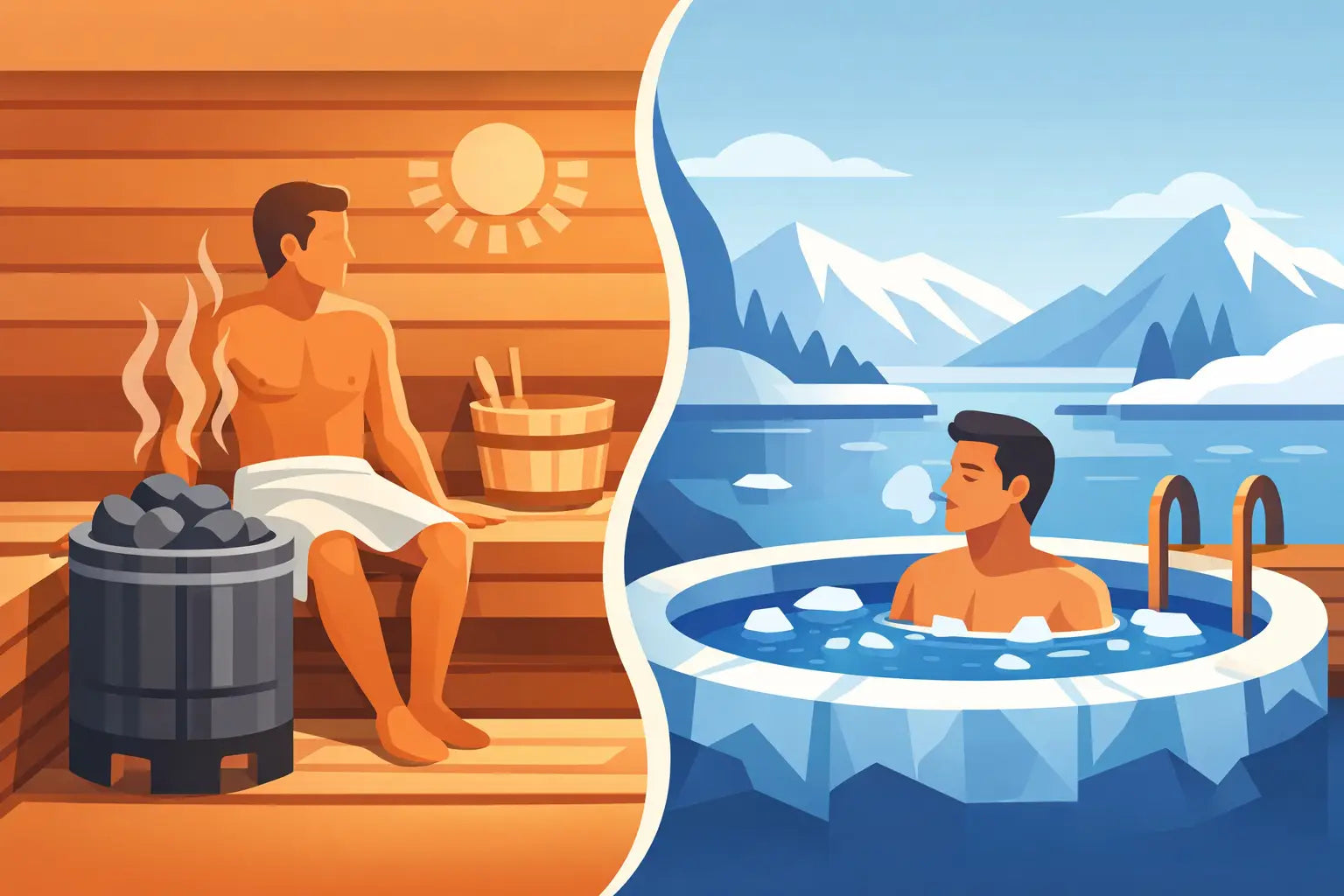
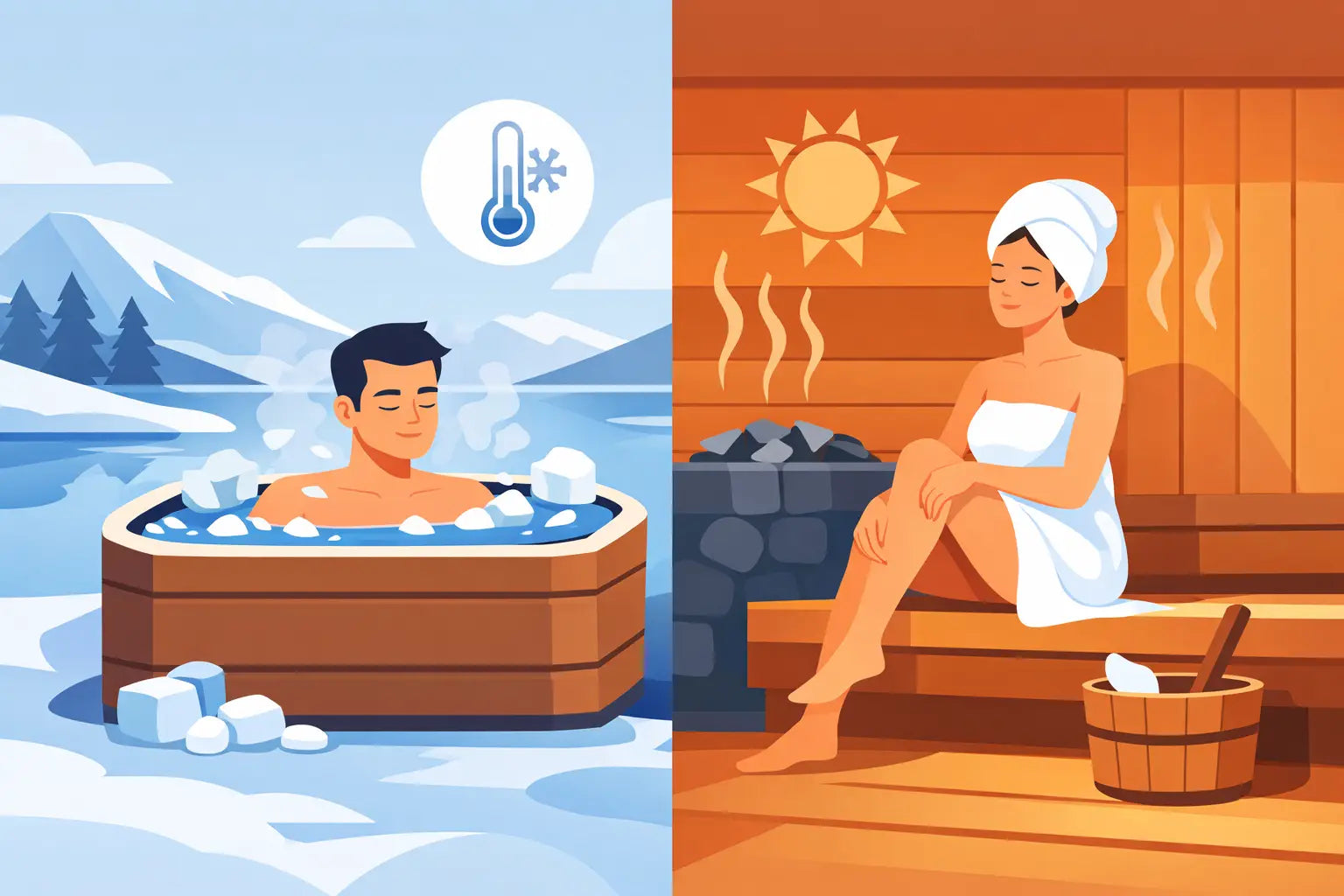
At its core, contrast therapy alternates hot exposure and cold exposure in a planned sequence. In a sauna, your blood vessels widen, your heart rate rises, and your body works to cool itself. In a cold plunge, the opposite happens. Blood vessels constrict, your breathing changes, and your nervous system shifts rapidly.
That swing between heat and cold is what makes the experience different from using either tool alone. Sauna use can support relaxation, circulation, and muscular ease. Cold immersion can help reduce the perception of soreness, increase alertness, and create a strong mental reset. Put them together, and many people find the effect feels more complete.
This is not magic, and it is not the same for every body. Some people respond best when they want post-workout recovery. Others value it more for stress relief, mood, and sleep. The benefits depend on timing, intensity, and your overall health profile.
Why the hot-cold sequence feels so effective
Part of the appeal is physiological, but part of it is practical. Modern schedules are crowded. A good contrast session can compress several wellness goals into one window of time. You are creating space to recover, regulate stress, and sharpen focus without leaving home.
There is also a psychological element. Heat encourages stillness. Cold demands presence. Together, they create a routine that feels immersive enough to break mental noise. For executives, athletes, and anyone carrying physical or cognitive fatigue, that shift matters.
When used consistently, cold plunge and sauna contrast therapy can become less of a novelty and more of a system. It gives your day structure. It creates a cue for recovery after training, a reset after work, or a deliberate start to the morning.
The benefits people are usually after
Most people are not chasing discomfort for its own sake. They want outcomes. Recovery is usually first on the list. After hard training, alternating heat and cold may help you feel less stiff and more ready for the next session, especially when soreness and fatigue have started to accumulate.
Stress regulation is another common reason. Sauna heat often helps quiet the body down, while cold exposure can leave you feeling clear, awake, and emotionally steadier once the initial shock passes. The sequence can create a strong sense of reset that is hard to replicate with passive rest alone.
Circulation is often part of the conversation too. The hot-cold cycle changes how your body manages blood flow and temperature. While that does not mean every claim made online is accurate, it does help explain why so many people report feeling lighter, warmer, and more refreshed after a session.
Then there is the discipline factor. A contrast routine asks you to be intentional. That matters for people who want their wellness habits to match the standard they bring to work, training, and daily life. Premium recovery is not only about what you own. It is also about how consistently you use it.
How to do sauna and cold plunge contrast therapy at home
The best home routine is usually simpler than people expect. Start with sauna heat for around 10 to 20 minutes, depending on your tolerance, the sauna temperature, and your level of experience. Then move to the cold plunge for 30 seconds to 3 minutes. Rest briefly if needed, then repeat for 2 to 4 rounds.
You do not need extreme duration to get value. In fact, pushing too hard often works against consistency. A controlled 12-minute sauna followed by a 60-second plunge can be far more sustainable than a session that leaves you drained.
If you are new to the practice, start conservatively. Use moderate sauna temperatures. Keep the plunge short. Focus on calm breathing rather than proving toughness. Your body adapts over time, and the goal is repeatable recovery, not a single heroic session.
Many people finish on cold when they want energy and alertness. Others finish on heat when they are using the routine later in the evening and want a softer landing before bed. This is one of those areas where it depends on the outcome you want.
Timing matters more than people think
After strength training or intense conditioning, contrast therapy may feel especially rewarding. It can help mark the transition from effort to recovery. But if muscle growth is your top priority, frequent cold exposure immediately after every lifting session may not always be ideal. Some research suggests that aggressive post-lift cold immersion could blunt parts of the adaptive response in certain contexts.
That does not mean you need to avoid it. It means you should match the tool to the goal. If you are in a heavy competition phase, managing soreness and staying fresh may matter more. If hypertrophy is the priority, you may choose to separate cold plunging from some training sessions.
For stress relief, evening use can be excellent, especially if the cold portion is not so long or intense that it leaves you overstimulated. For focus and momentum, morning sessions can be powerful. The strongest routine is the one that fits your life closely enough to become automatic.
Who should be careful with contrast therapy
This practice is not for everyone without pause. If you have cardiovascular concerns, uncontrolled blood pressure, certain neurological conditions, or a history of fainting, you should talk with a qualified medical professional before starting. The rapid shift between heat and cold creates real demand on the body.
Pregnant individuals and anyone taking medications that affect temperature regulation or blood pressure should also be cautious. Alcohol and contrast therapy are a poor mix. Dehydration is another issue people underestimate, especially after a long sauna session.
Even healthy users should pay attention to warning signs. Dizziness, chest pain, unusual shortness of breath, or feeling disoriented are signals to stop immediately. Premium wellness should feel challenging at times, but never reckless.
Building a home setup that supports the habit
A strong contrast routine depends on convenience almost as much as motivation. If your sauna and cold plunge are easy to access, easy to maintain, and comfortable to use regularly, the ritual has a real chance to stick. That is why so many homeowners are shifting from occasional spa visits to dedicated at-home recovery spaces.
The value is not only comfort. It is control. You choose the timing, the temperature, the pace, and the environment. You can train, recover, and return to your day without driving across town or fitting your schedule around a facility.
For households balancing demanding jobs, family life, and fitness goals, that convenience becomes a serious advantage. In places where heat and humidity already shape daily life, like Houston, the appeal of stepping into a private cold plunge after sauna use can feel especially compelling. What starts as a luxury often becomes a practical part of the routine.
This is also where quality matters. Reliable equipment, thoughtful design, and support after purchase make a difference when you are investing in a long-term wellness environment. SaunaFit Recovery speaks to that shift well because the modern buyer is not just looking for a product. They are building a system for better living.
Cold plunge and sauna contrast therapy is best when it becomes a ritual
The people who get the most from this practice are rarely the ones chasing extremes. They are the ones who make it part of their rhythm. They use it after demanding workouts, before high-stakes workdays, or at the end of a week that asked a lot from them.
There is a reason this method has staying power. It turns recovery into something active and memorable. It makes wellness feel earned, not abstract. And when your home supports that level of care, the line between discipline and luxury starts to disappear.
Start with control, not intensity. Let your routine become something you look forward to. The best recovery habits are the ones that keep calling you back.