
How to Do Hot and Cold Contrast Therapy
That post-workout heaviness, the late-day mental fog, the feeling that your body is working harder than it should - this is exactly why people ask how to do hot and cold contrast therapy. When used well, it can turn recovery into a structured ritual that supports circulation, eases soreness, and helps you reset without leaving home.
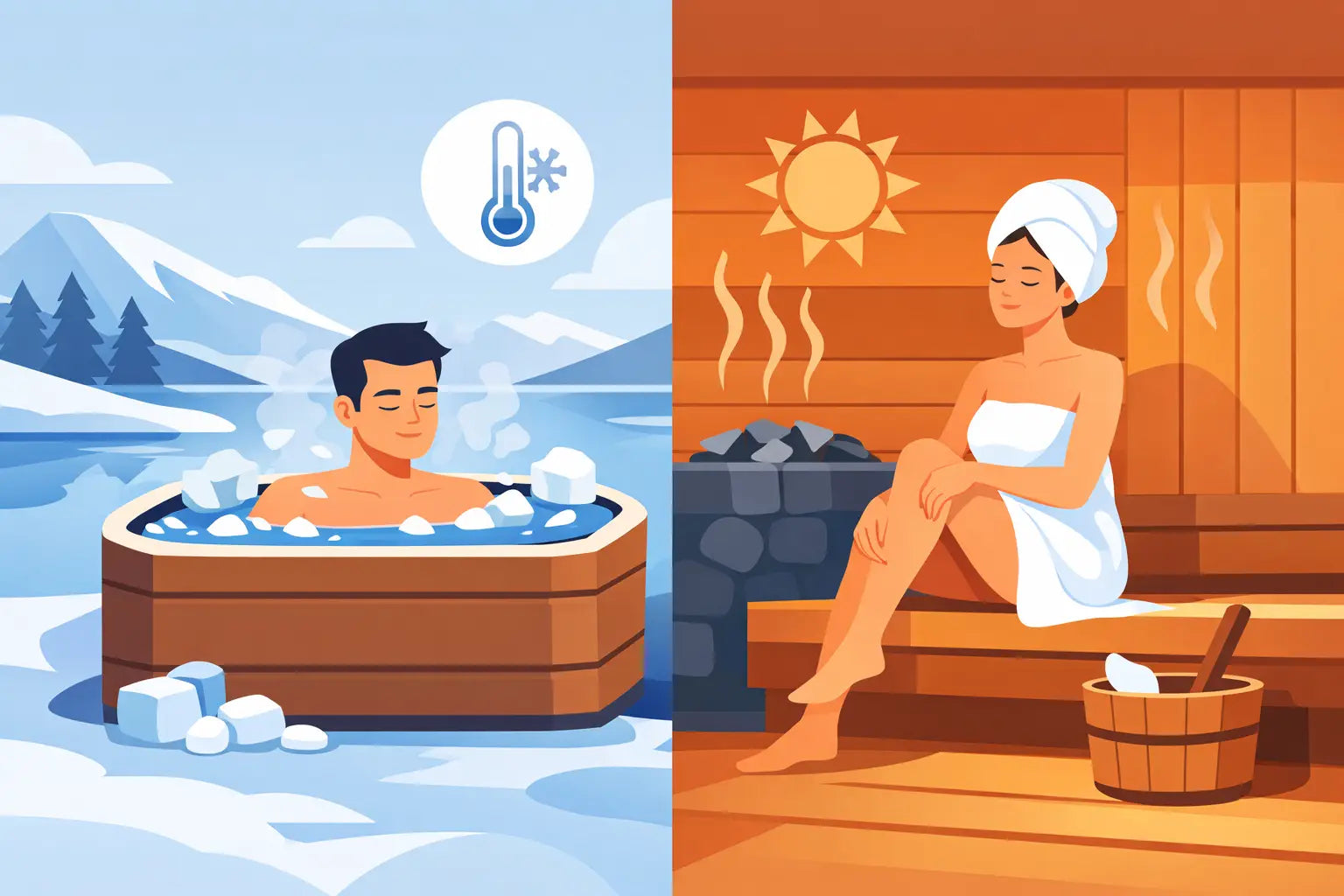
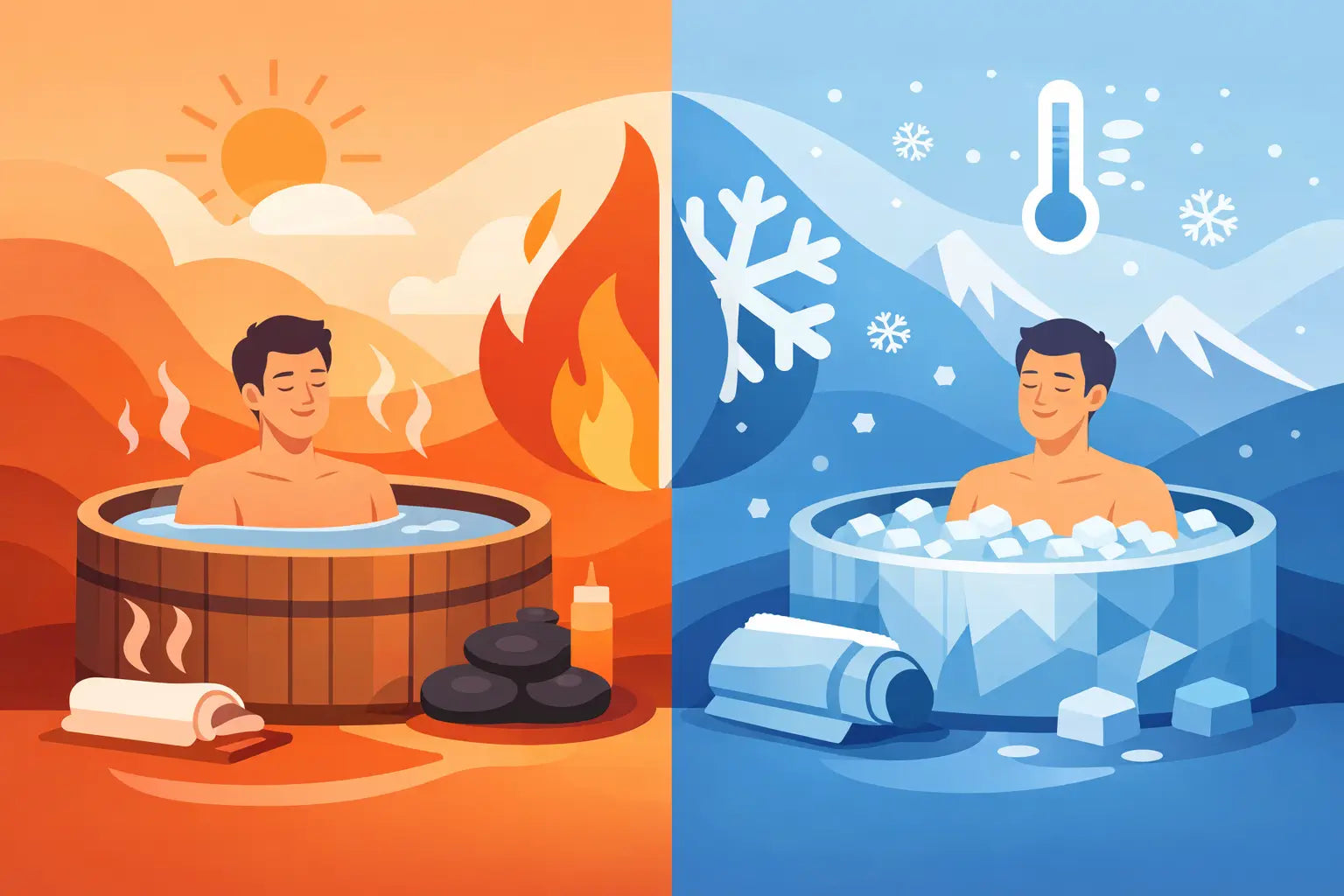
Contrast therapy is simple in concept. You move between heat and cold in a planned sequence, usually finishing cold, to create a strong physiological shift. The heat phase encourages relaxation and blood flow. The cold phase creates a brisk, invigorating response that may help reduce discomfort and leave you feeling sharper and more energized.
What makes it appealing is not just the physical effect. It also fits the kind of lifestyle many high-performers want - efficient, repeatable, and premium. A sauna and cold plunge setup can transform recovery from something you squeeze in occasionally into a discipline you actually maintain.
What hot and cold contrast therapy actually does
At a practical level, contrast therapy uses temperature extremes to stimulate the body in different ways. Heat tends to dilate blood vessels, relax muscles, and encourage a calmer state. Cold tends to constrict blood vessels, sharpen alertness, and create that unmistakable feeling of full-body wakefulness.
The value comes from the alternation. Moving from hot to cold creates a pumping effect in circulation and gives your nervous system a pronounced change in stimulus. Many people use it after strength training, endurance work, long workdays, or periods of accumulated stress. Some want relief from muscle fatigue. Others want a cleaner mental reset.
It is not magic, and it is not one-size-fits-all. If your goal is deep relaxation before bed, a long cold finish may feel too activating. If your goal is post-training recovery and mental clarity, that same cold finish may be exactly right. The best routine depends on your body, your tolerance, and the result you want that day.
How to do hot and cold contrast therapy at home
The best home routine is the one you can repeat consistently. You do not need an extreme protocol to get value. In most cases, a controlled sauna session followed by a cold plunge, cold shower, or immersion bath is enough.
Start with heat. Spend about 10 to 20 minutes in a sauna, steam environment, or hot tub. The exact time depends on your experience, hydration, and heat tolerance. You want to feel thoroughly warm and lightly challenged, not dizzy or depleted.
Then move to cold for 1 to 3 minutes. This can be a cold plunge, tub, or shower. The goal is not to prove toughness. The goal is steady breathing and calm exposure. If you panic, tense up, or feel unsafe, the temperature is likely too aggressive for your current level.
Repeat that cycle 2 to 4 times. A common starting format is 15 minutes hot, 1 minute cold, repeated 3 rounds. More experienced users may shorten the heat and extend the cold slightly, but there is no prize for pushing beyond what your body handles well.
Most people finish with cold if they want that energized recovery effect. If your priority is pure relaxation, especially in the evening, it may make sense to end with a shorter heat session instead. That is one of the biggest trade-offs in contrast therapy - a cold finish can feel amazing, but it is not always ideal before sleep.
A simple beginner protocol
If you are new, keep it clean and manageable. Try 10 to 15 minutes of heat, followed by 30 to 60 seconds of cold, for 2 or 3 rounds. Give yourself a few sessions before increasing time or dropping the temperature.
Beginners often make the mistake of going too cold too fast. That usually creates resistance, not consistency. A sustainable contrast routine should feel challenging but controlled.
An intermediate recovery protocol
For regular exercisers and athletes, 15 minutes of sauna followed by 1 to 2 minutes of cold for 3 rounds is a strong baseline. This tends to work well after lifting, hard conditioning, or high-volume training weeks when the body feels loaded.
If you are using a hot tub instead of a sauna, the effect can still be useful, though it feels different. Wet heat may feel easier to tolerate for some people, but prolonged soaking can also feel more sedating. Pay attention to how your body responds.
Timing, temperature, and what matters most
People often obsess over exact temperatures, but consistency and safety matter more. For heat, many home sauna users are comfortable somewhere in the 150 to 190 degree range depending on sauna type and experience. For cold, plunges often land in the 45 to 60 degree range, though beginners may want to start warmer.
You do not need the hottest sauna or the coldest plunge to get results. In fact, extremes can backfire if they make the experience so intense that you avoid doing it again. The right setup is one that feels premium, effective, and repeatable.
Breathing matters more than most people realize. In the cold phase, the first urge is often to gasp or tense the shoulders. Resist that impulse. Slow your breathing, keep your jaw relaxed, and let the initial shock pass. The moment you can stay composed in the cold is usually the moment the session becomes more restorative than stressful.
When to use contrast therapy
Contrast therapy works best when it has a purpose. After a demanding workout, it can become part of your recovery rhythm. On high-stress workdays, it can serve as a transition between performance mode and personal time. On weekends, it can anchor a longer wellness session that includes stretching, hydration, and quiet recovery.
That said, timing changes the experience. Right after intense exercise, some people feel excellent with a hot-to-cold sequence. Others prefer waiting a bit, hydrating, and then starting once heart rate and breathing have settled. If you are chasing muscle growth specifically, some athletes choose to be strategic with cold exposure immediately after strength training, since recovery goals can differ depending on the program.
This is where it depends. If your main goal is to feel fresher and less sore, contrast therapy may fit beautifully after training. If your programming is highly specific and performance-driven, you may want to experiment with when you place it rather than assuming more is always better.
Who should be cautious
Contrast therapy is powerful, which means it deserves respect. If you have cardiovascular issues, uncontrolled blood pressure, neuropathy, are pregnant, or have any medical condition affected by heat or cold exposure, talk to a qualified clinician first.
You should also skip a session if you are dehydrated, sick, lightheaded, or running on very little sleep. Luxury wellness should still be disciplined wellness. Pushing through when your body is already compromised is not a smart recovery move.
Alcohol and contrast therapy are also a poor combination. Heat and cold both place demands on circulation and body awareness. Save the session for when you are fully clear-headed and hydrated.
Common mistakes that make contrast therapy less effective
The first mistake is treating it like a test of grit. More time and more intensity do not automatically mean better recovery. If you leave the session drained, shaky, or overstimulated, you likely went too far.
The second is rushing transitions. Give yourself a few controlled seconds between environments so you can move safely, especially if floors are wet or your body is adjusting quickly.
The third is ignoring hydration. You lose fluid in the heat, and even a short cold plunge can feel harder if you are already under-hydrated. Drink water before and after, and longer sauna sessions may call for electrolytes as well.
The fourth is having no plan. Contrast therapy works best when it is intentional. Know how many rounds you are doing, how long each phase will last, and what outcome you want.
Building a ritual you will actually keep
The real power of contrast therapy is not in doing one dramatic session. It is in creating a routine that fits your life and raises the baseline of how you feel. A well-designed home setup removes friction. You do not have to drive across town, wait for a spa booking, or force recovery into someone else’s schedule.
That is why premium home wellness has such staying power. It turns recovery into a private advantage. For a busy executive, it can mean a sharper morning reset. For an athlete, it can support the work between training sessions. For anyone investing in longevity, it becomes a daily vote for feeling stronger, calmer, and more capable.
If you are learning how to do hot and cold contrast therapy, start simple, stay consistent, and let your body guide the progression. The most effective routine is the one that leaves you feeling restored enough to come back tomorrow.