
What Is the Purpose of a Cold Plunge?
You do not step into cold water by accident. Whether it is after a hard training session, before a demanding workday, or as part of a carefully built wellness routine, the question behind it is simple: what is the purpose of a cold plunge? For most people, it comes down to three things - faster recovery, sharper mental focus, and a disciplined ritual that helps the body and mind adapt to stress.
Cold plunging has moved well beyond elite sports circles. It now sits comfortably inside the modern home wellness conversation because it offers something many people want more of: a reliable way to feel better, recover faster, and reset without leaving the house. Still, the value of a cold plunge is often misunderstood. It is not a magic fix, and it is not about proving toughness. Its real purpose is more practical than that.
What Is the Purpose of a Cold Plunge in Daily Life?
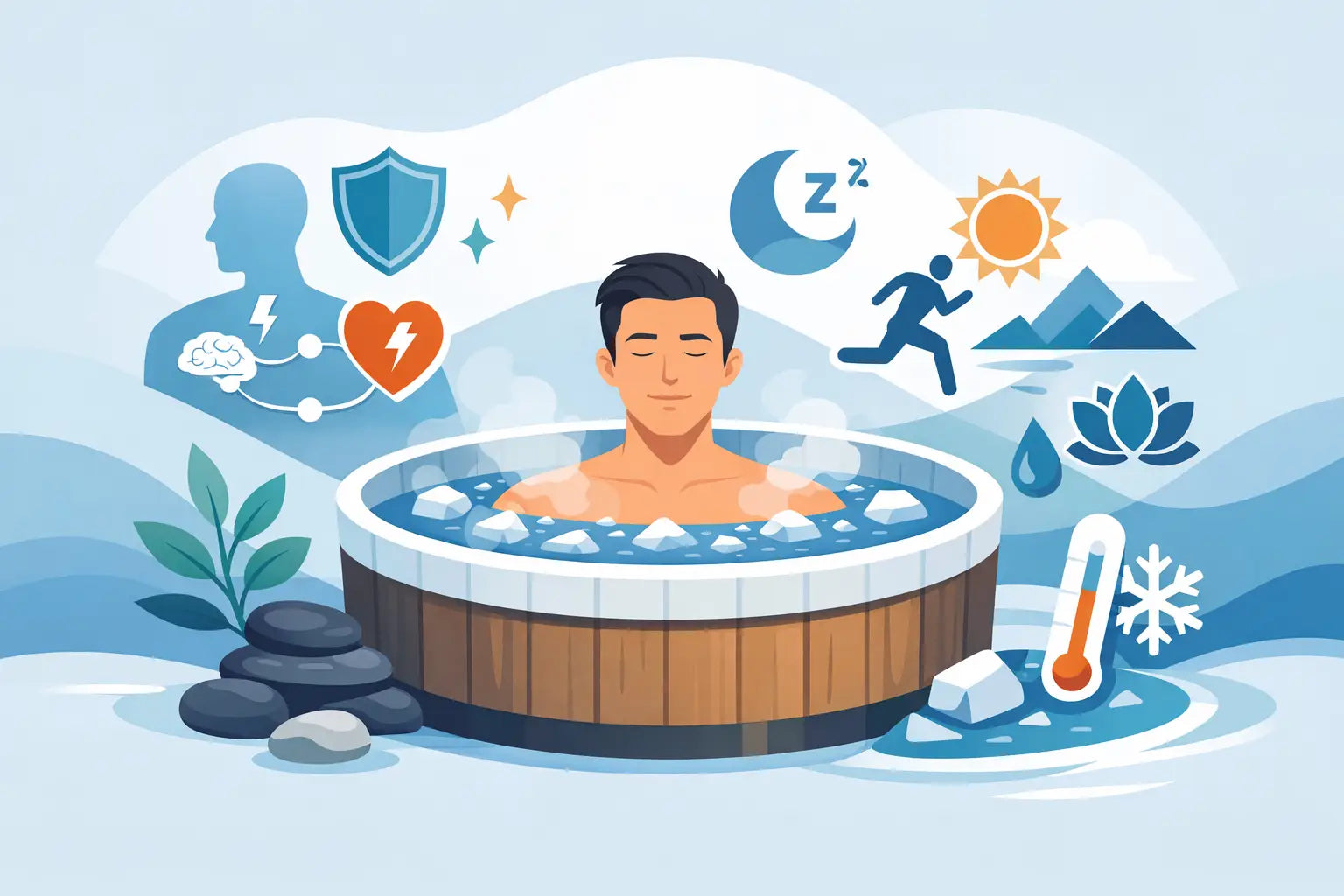
At its core, a cold plunge exposes the body to cold water for a short period so it can trigger a controlled stress response. That may sound intense, but the body is built to adapt. When done properly, cold immersion can help reduce the perception of soreness, improve post-exercise recovery, increase alertness, and train you to stay calm under stress.
That is why cold plunges appeal to such a wide range of people. Athletes use them to support physical recovery. Busy professionals use them to clear mental fog and reset their energy. Health-conscious homeowners often see them as part of a larger routine that includes movement, heat therapy, breathwork, and better sleep habits.
The bigger purpose is not simply getting cold. It is using cold exposure as a tool to influence how you feel and function.
Recovery Is Usually the First Reason
For many people, the first cold plunge happens after an intense workout. Legs feel heavy, joints feel irritated, and the body is carrying that familiar post-training fatigue. Cold water can help by causing blood vessels near the surface to constrict during immersion, which may reduce swelling and temporarily dull discomfort. After you get out and warm back up, circulation shifts again.
This is one reason cold plunges have long been popular in performance settings. They can make the body feel fresher after hard sessions, especially when soreness is high or training volume is stacked across multiple days. If you train often, that feeling matters. Better recovery can make it easier to stay consistent.
That said, context matters. A cold plunge is not always the right move immediately after every workout. If your goal is maximizing muscle growth and adaptation after strength training, frequent post-lift cold exposure may not always be ideal. Some research suggests it could slightly blunt certain training responses when used right after resistance work. For endurance athletes, people doing high-volume conditioning, or anyone prioritizing soreness relief, the trade-off may be well worth it. For hypertrophy-focused lifters, timing becomes more important.
The Mental Benefit Is a Big Part of the Appeal
The physical shock of cold water gets attention, but the mental training may be what keeps people coming back. A cold plunge demands composure. The body wants to tense up and rush out. The practice is learning how to breathe, settle, and remain steady anyway.
That has value far beyond the tub. Controlled cold exposure can build a stronger relationship with discomfort. It teaches you to respond rather than react. For people managing high-pressure schedules, mental fatigue, or constant stimulation, that can feel powerful.
Many users also report a noticeable boost in alertness after a plunge. Part of that comes from the body releasing stress hormones in response to the cold. In the short term, this can create a sense of wakefulness and renewed energy. It is one reason some people prefer a morning plunge instead of reaching for another cup of coffee.
The key is to treat that energy as a tool, not a thrill. The purpose is not chasing an extreme sensation. It is creating a cleaner, more intentional shift in your state.
A Cold Plunge Can Support Stress Resilience
One of the most compelling answers to what is the purpose of a cold plunge is this: it gives you a way to practice stress in a controlled environment.
Modern stress tends to be constant, low-grade, and mentally draining. Deadlines, screens, noise, poor sleep, and overcommitment keep the nervous system busy. Cold water is different. It is acute, clear, and time-limited. You enter, your body reacts, and you learn to regulate yourself through it.
That process can help build resilience. It does not eliminate life stress, but it may improve your ability to handle it. Over time, many people feel less scattered and more grounded after regular cold exposure. That effect likely comes from a mix of physiology, breath control, routine, and confidence.
This is where cold plunging fits naturally into a premium home wellness environment. It is not just a product experience. It becomes a ritual. When paired with a sauna, mobility work, or quiet recovery time, it can anchor the day in a way that feels both restorative and disciplined.
Circulation and the Feeling of Reset
People often describe a cold plunge as making them feel refreshed from the inside out. Part of that sensation is the body’s vascular response to cold. During immersion, blood flow shifts as the body works to preserve core temperature. Once the session ends, the rewarming process can create a strong sensation of renewed circulation and warmth.
It is worth being careful with claims here. A cold plunge is not a cure for circulation problems, and it should not replace medical care. But for healthy adults, the cold-to-warm contrast can feel invigorating. That reset is one reason cold exposure has remained relevant across fitness, recovery, and wellness spaces.
There is also a noticeable sensory effect. The body feels switched on. The mind often feels less cluttered. For people building a home wellness routine, that immediate payoff makes cold plunging easier to stick with.
The Purpose Depends on Your Goal
Not every cold plunge routine should look the same. The purpose changes based on what you want from it.
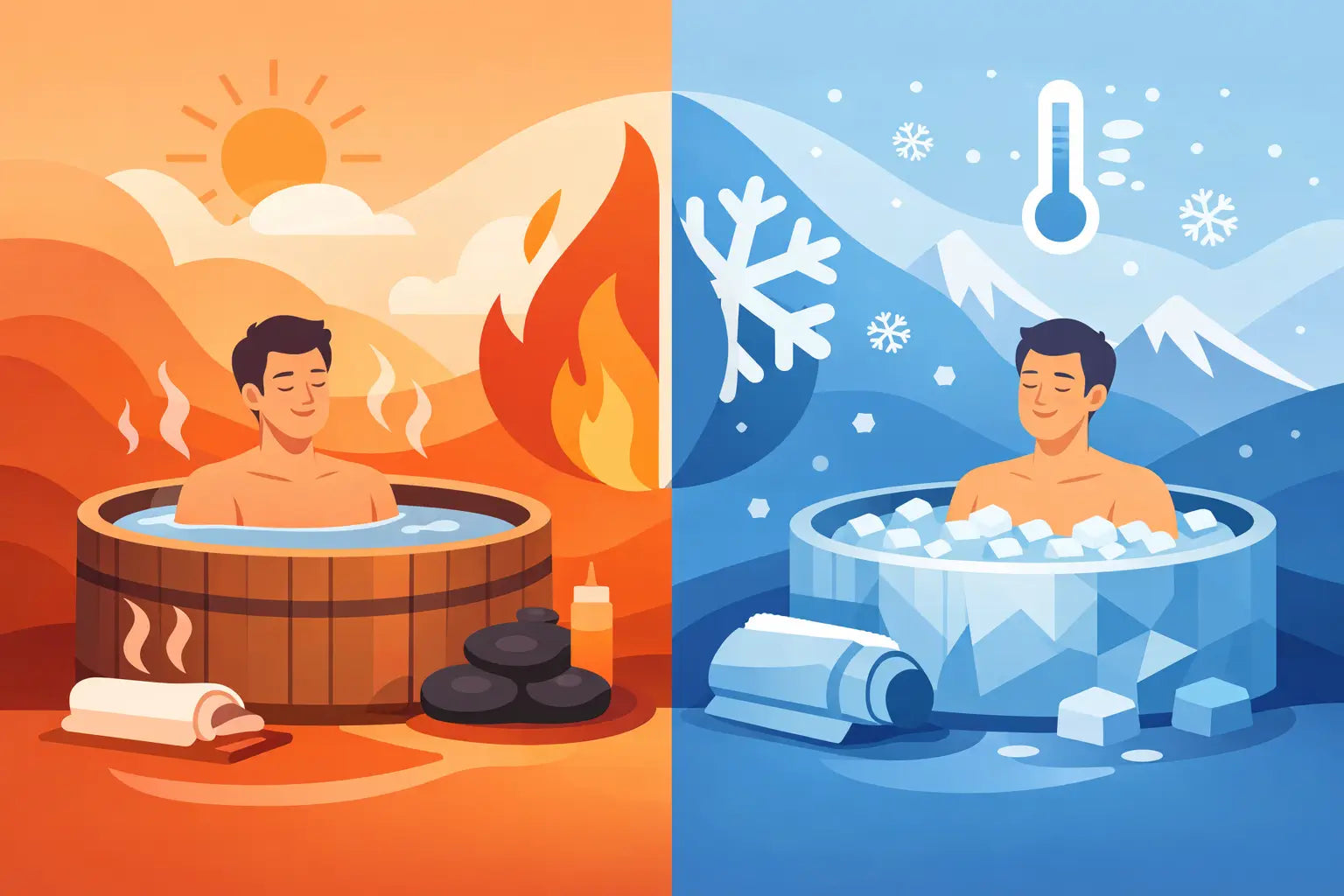
If your main goal is athletic recovery, you may use cold plunging after demanding training blocks, long runs, or high-output conditioning sessions. If your priority is mental clarity, a brief morning plunge may make more sense. If stress reduction is the focus, pairing cold exposure with slow breathing and a calmer environment may deliver the best result.
This is also why colder is not always better. Longer is not always better either. Effective cold plunging usually means being deliberate, not extreme. Many people benefit from short sessions in a manageable temperature range rather than chasing punishing conditions.
A good routine should leave you feeling sharpened, not depleted.
What a Cold Plunge Is Not
Cold plunging works best when expectations stay realistic. It is not a substitute for sleep, smart training, hydration, or nutrition. It will not erase chronic stress if the rest of your routine is running against you. And it is not for everyone.
People with certain cardiovascular conditions, circulation issues, or other medical concerns should talk to a healthcare professional before trying cold immersion. Even for healthy users, starting gradually matters. The body responds best when exposure is introduced with intention.
There is also a lifestyle reality to consider. If a cold plunge is inconvenient, uncomfortable in the wrong way, or hard to maintain, it is less likely to become a lasting habit. That is why the at-home setup matters. When recovery tools are built into your space, consistency becomes far more realistic.
Why Cold Plunges Fit the Home Wellness Movement
The real appeal of cold plunging today is not novelty. It is accessibility. People want recovery and performance tools that fit into real life. They want fewer barriers between intention and action.
A cold plunge at home turns wellness from an occasional outing into a repeatable standard. It supports the kind of lifestyle where recovery is not treated as an afterthought. For homeowners investing in better routines, that matters. The benefit is not just what happens in the water. It is what becomes possible when you can reset your body on your schedule.
That is part of the reason brands like SaunaFit Recovery resonate with people building elevated spaces for health and performance. The goal is bigger than a single product. It is creating an environment that supports stronger living every day.
So what is the purpose of a cold plunge? It is to help you recover with more intention, sharpen your response to stress, and bring a higher standard to your daily routine. Used wisely, it becomes less about enduring cold and more about choosing renewal on purpose.
The best wellness tools are the ones that change how you show up afterward - calmer, clearer, and more ready for what is next.