
8 Benefits of Cold Plunge Worth Knowing
A cold plunge is not relaxing in the usual sense. The first few seconds feel sharp, your breathing gets louder, and every instinct tells you to step out. That contrast is exactly why the benefits of cold plunge have become part of so many high-performance wellness routines. For people building a more intentional life at home, cold exposure offers something rare - a practice that can support recovery, sharpen focus, and train resilience in just a few minutes.
The appeal goes beyond trend. A well-timed plunge can help you feel more awake, more reset, and more physically recovered after hard training or long workdays. It also pairs naturally with the kind of elevated home wellness environment many people want now: one that supports performance, stress relief, and consistency without requiring another appointment across town.
Why cold exposure feels so powerful
Cold water creates an immediate stress response. Blood vessels near the skin constrict, breathing rate rises, and your body works to maintain core temperature. That sounds uncomfortable because it is. But in controlled doses, that stress can become productive.
The body often responds with a strong sense of alertness and, for many people, a noticeable shift in mood. Part of that comes from the contrast itself. Part comes from the fact that you have to regulate your breath and stay composed under pressure. That combination is one reason cold plunging feels both physical and mental. It is recovery, but it is also training.
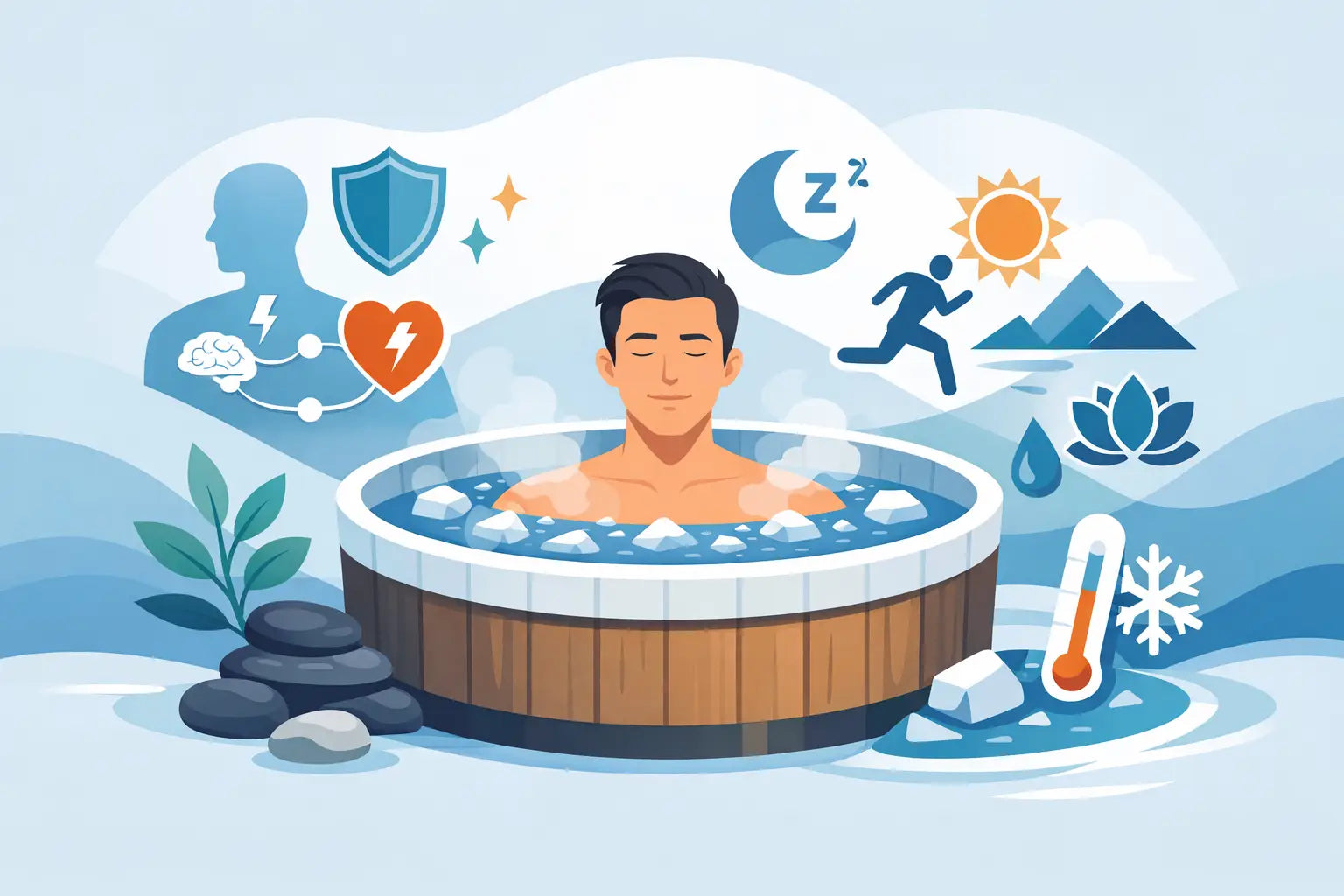
8 benefits of cold plunge for body and mind
Faster post-workout recovery
One of the most cited benefits of cold plunge is support for recovery after intense exercise. Cold exposure may help reduce the perception of soreness and calm some of the inflammatory response that follows hard training. For athletes, lifters, runners, and active adults, that can mean feeling more prepared for the next session.
This does not mean cold water is always the right choice after every workout. If your main goal is muscle growth, using cold immersion immediately after strength training may slightly blunt some adaptation in certain cases. It depends on your program. If you are focused on reducing soreness during heavy training blocks, competition periods, or high-volume weeks, it can be a useful tool.
A sharper sense of alertness
Few things wake you up like cold water. The body responds quickly, and many people feel more energized within minutes. That makes cold plunging attractive in the morning or during a sluggish afternoon when focus has dropped.
This effect is part physiology and part routine. The cold stimulates a strong response, but the act itself also creates momentum. You did something difficult on purpose. That mindset can carry into the rest of the day.
Better stress tolerance
A controlled cold plunge gives you a chance to practice staying calm while your body wants to panic. Over time, that can build a stronger relationship with discomfort. You learn to slow your breathing, settle your mind, and stay present under stress.
That does not make cold plunging a cure for anxiety or chronic stress. But it can be a valuable ritual for people who want a physical way to train composure. For executives, athletes, and high-output professionals, this is often one of the most meaningful benefits because it transfers beyond the tub.
A noticeable mood lift
Many users report feeling clearer, lighter, and more positive after a plunge. The mood shift can feel immediate. While the exact experience varies, the combination of cold exposure, focused breathing, and a sense of accomplishment can create a real emotional reset.
This is one reason cold therapy fits so well into a premium home wellness routine. It is not only about recovery after exertion. It can also become a transition point between work and home, between stress and stillness, or between fatigue and renewed energy.
Less muscle soreness
Muscle soreness is one of the most practical reasons people start. After demanding workouts, long hikes, intense sports, or physically draining weeks, a cold plunge may help reduce how sore you feel in the following hours and days.
For many people, that matters more than lab-perfect optimization. If less soreness helps you move better, sleep better, and return to training with more consistency, the plunge is doing its job.
A stronger recovery routine at home
The benefits of cold plunge are not only biological. They are behavioral. When recovery is built into your home, you are far more likely to use it consistently.
That convenience matters. Driving across town for a wellness session sounds good in theory, but most routines fail on friction. A home setup removes that barrier and turns recovery into something you can actually sustain. For busy households, that is often where the real value begins.
Potential support for circulation
Cold exposure causes blood vessels near the surface to narrow, and then circulation patterns shift again as the body warms afterward. Many people describe this as feeling refreshed, reawakened, and physically reset.
It is worth keeping expectations realistic here. A cold plunge is not a magic fix for circulation problems or a medical treatment. Still, as part of an overall wellness lifestyle that includes movement, strength training, hydration, and recovery, it can leave the body feeling more responsive and energized.
Greater discipline and consistency
There is a reason successful people are drawn to practices like this. A cold plunge asks for intention. You do not drift into it. You choose it.
That makes it more than a recovery tool. It becomes a daily vote for the kind of person you want to be - steady, disciplined, and willing to do hard things in service of long-term results. For many homeowners investing in an elevated wellness space, that identity piece matters just as much as the physical effects.
What to expect when you start
Your first plunge may feel more intense than expected, even if you think you are prepared. The initial shock is usually strongest in the first 30 seconds. Breathing can become quick and shallow, and that is where most beginners struggle.
The goal is not to overpower the cold. The goal is to work with it. Enter slowly, focus on long exhales, and let your body settle. Many people find that the experience becomes far more manageable once they stop fighting those first moments.
Temperature and duration both matter. You do not need extreme cold or long sessions to feel benefits. A short, consistent practice is often more effective than turning every plunge into a test of toughness.
How to use cold plunging wisely
Cold therapy works best when it matches your goals. If you want mental clarity and energy, morning plunges may fit well. If you want recovery support after endurance work or intense competition, post-workout use can make sense. If your priority is maximizing strength and hypertrophy adaptation, timing may need more thought.
This is where nuance matters. More is not always better. Colder is not always better. Longer is definitely not always better. The most effective routine is one you can repeat safely and consistently.
For many adults, two to five minutes in cold water is enough. Start conservatively. Let your body adapt. Build a rhythm that supports your life instead of disrupting it.
Who should be cautious
Cold plunging is not for everyone. If you have cardiovascular disease, high blood pressure that is not well managed, a history of fainting, Raynaud's phenomenon, or other medical concerns, talk with your physician before starting. The cold shock response can be significant.
It is also smart to avoid plunging alone when you are new to it. Dizziness, breath-holding, and overconfidence are poor combinations around cold water. A premium wellness routine should feel empowering, not reckless.
Is a cold plunge worth it?
If you want a home wellness tool that supports recovery, builds discipline, and creates a strong daily reset, a cold plunge can be worth the investment. It fits especially well for people who value performance but also want calm, convenience, and a more intentional rhythm at home.
The strongest case for it is not that it does everything. It is that it does a few important things very well. It can help you recover, shift your state quickly, and create a ritual you actually look forward to - even when the first step still feels hard.
That is often how meaningful wellness habits work. They ask something of you first, then give something back. If you approach cold plunging with patience and purpose, it can become one of the most effective reset buttons in your day.