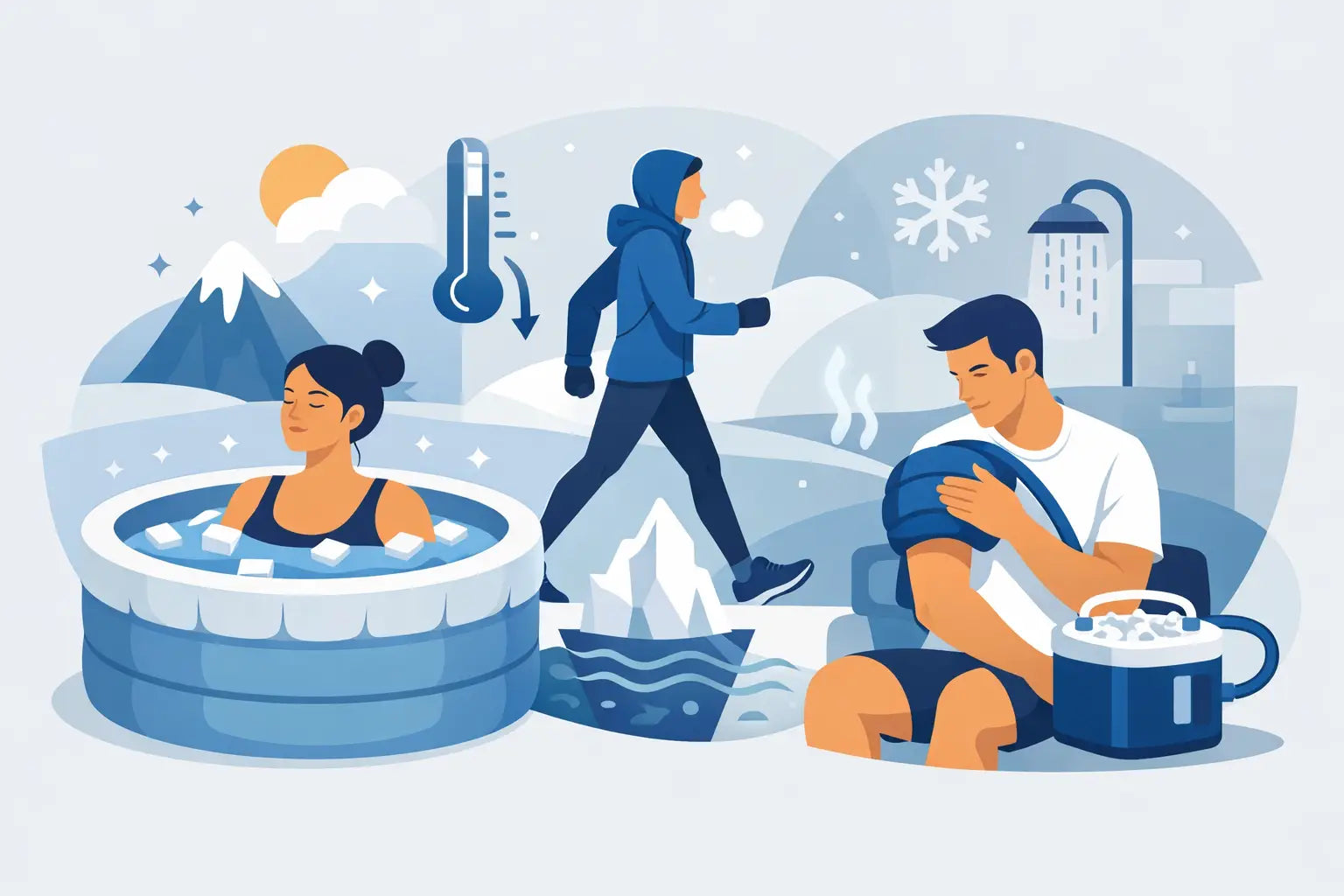
Cold Therapy Techniques That Actually Fit Life
That first step into cold water tells the truth fast. You either fight it, or you learn how to work with it. For people building intentional recovery routines at home, cold therapy techniques are less about chasing discomfort and more about using stress with precision - to reduce soreness, sharpen focus, and create a stronger reset between training, work, and daily life.
The appeal is obvious. Cold exposure feels clean, efficient, and powerful. It can help after hard workouts, long workdays, and periods of mental fatigue. But not every method fits every goal, and more intensity is not always better. The best results usually come from choosing the right technique, using it consistently, and knowing when to keep it short.
Why cold therapy works
Cold changes the body quickly. Blood vessels near the skin narrow, heart rate and breathing shift, and the nervous system becomes more alert. That is part of why a cold plunge feels so immediate. You are not just cooling the body. You are creating a controlled stress response.
For recovery, that can be useful. Cold may help reduce the perception of soreness after demanding exercise, especially when legs feel heavy or joints feel irritated from repeated impact. Many people also use it for the mental effect - less sluggishness, more clarity, and a noticeable break from the pace of the day.
There is a trade-off, though. If your top goal is maximizing muscle growth after strength training, aggressive cold exposure right after every lift may not be ideal. Some research suggests that frequent post-workout cold immersion can blunt parts of the adaptation process tied to hypertrophy. If performance, mood, and recovery are the priority, cold has a strong place. If size and strength gains are the only focus, timing matters more.
The main cold therapy techniques
Not all cold exposure asks the same thing from your body. The experience, intensity, and practical setup can vary a lot.
Cold plunges
This is the method most people picture first. A cold plunge immerses much of the body at once, usually for a short period in consistently chilled water. It is efficient, repeatable, and well suited to a home wellness routine because temperature and timing can be controlled.
Cold plunging is often the best fit for people who want full-body recovery and a ritual that feels substantial. After intense training or physically demanding weeks, immersion tends to deliver the strongest reset. It also creates a clear mental boundary in the day. You step in stressed, you step out sharper.
Ice baths
Ice baths and cold plunges overlap, but they are not exactly the same. An ice bath usually relies on manually adding ice to a tub or container, which makes it more variable. Some days the temperature is lower than expected. Other days it warms faster than you want.
That does not make ice baths ineffective. They can still be useful, especially for occasional use. But for people who value convenience and consistency, a dedicated cold plunge setup is easier to maintain. Luxury wellness is not just about aesthetics. It is also about removing friction so the routine actually happens.
Cold showers
Cold showers are accessible and underrated. They do not provide the same immersion effect as a plunge, but they are simple enough to use regularly. If you are new to cold exposure, a cold shower at the end of your normal routine can help build tolerance without turning recovery into a major event.
The limitation is intensity. Water hitting the body in a shower usually feels cold, but the total effect is less comprehensive than full immersion. Think of it as an entry point or a maintenance tool, not always the gold standard for athletic recovery.
Localized cold application
Sometimes the smartest move is targeted rather than full-body. Ice packs, compression wraps with cooling, or localized cryotherapy can help when one area needs attention, like a sore knee, an overworked shoulder, or a tender ankle.
This approach makes sense when general immersion feels unnecessary. It is practical, focused, and easier to use around minor flare-ups. It also works well for people who want recovery support without a full nervous system jolt late in the evening.
How to choose the right cold therapy technique
The right method depends on what you want from it.
If you want a premium, repeatable ritual that supports performance and elevated daily recovery, full-body immersion usually stands out. It gives you consistency, stronger exposure, and a more immersive wellness experience at home.
If your schedule is packed and your goal is simply to feel more awake and less tense, cold showers may be enough. If one joint or muscle group is the issue, localized cooling is often more practical. And if you are curious but not committed yet, an occasional ice bath can help you test your response before building a more permanent setup.
Your lifestyle matters too. A homeowner with a dedicated wellness room, patio, or garage has different options than someone relying on a standard bathtub. For clients creating a complete recovery space, cold works especially well alongside heat, mobility, and rest. Contrast routines can feel exceptional when used with intention, but even then, the goal is not to collect wellness habits. It is to create a system you will keep using.
How to use cold therapy techniques safely
The biggest mistake beginners make is confusing intensity with effectiveness. You do not need to prove anything in cold water.
Start shorter than you think. A brief session is enough to learn how your breathing responds and how your body settles. Stay controlled. If you enter the water and your breath becomes panicked, the first objective is not more minutes. It is regaining calm.
Water temperature matters, but precision matters less than consistency at the start. Very cold water is not automatically better. If the experience is so harsh that you avoid doing it again, the routine fails. For most people, sustainable exposure beats extreme exposure.
It is also wise to avoid cold therapy when you are feeling unwell, overly depleted, or dealing with certain cardiovascular issues unless cleared by a medical professional. Anyone with a health condition, circulation concern, or history of adverse responses to cold should take that seriously. Premium recovery should still be smart recovery.
Timing makes a difference
One of the most useful questions is not whether to use cold, but when.
After endurance work, hard conditioning, long runs, intense field sports, or physically taxing days, cold immersion can feel especially effective. It may help you feel less beat up and more ready for the next session.
Right after strength training, the answer is more nuanced. If your main goal is reducing soreness and staying fresh for frequent sessions, post-lift cold can still make sense. If your focus is maximizing muscle-building adaptations, you may prefer to delay cold exposure rather than using it immediately after every session.
For stress relief, many people prefer morning or early evening sessions. Morning cold can create a clean mental reset and set the tone for disciplined energy. Evening sessions can work too, though some people find intense cold too stimulating right before bed. That is a personal response worth paying attention to.
Building a routine that lasts
The best recovery routines feel elevated, not exhausting. That is especially true at home, where convenience drives consistency.
Begin with two or three sessions per week. Track how you feel afterward, how you sleep, and whether soreness or stiffness changes. From there, adjust based on your goals. An athlete in heavy training may want more structure. A busy executive managing stress and physical fatigue may benefit from shorter, steady use.
Pairing cold with heat can be compelling when done thoughtfully. A sauna session followed by cold exposure creates a strong contrast that many people find both energizing and restorative. The sequence can feel luxurious, but it is also disciplined. It asks you to be present, breathe well, and recover on purpose.
That is where an at-home wellness setup becomes more than a collection of equipment. It becomes part of how you live. For many households, especially those investing in long-term performance and comfort, that shift is the real value.
What results should you expect?
Cold therapy is not magic, and it is not supposed to fix every recovery problem overnight. What you are more likely to notice is a pattern. Less lingering soreness. Better mental clarity. A stronger sense of reset after difficult days. More intention in how you recover.
Some people love the immediate rush. Others value the discipline more than the sensation itself. Either way, the payoff tends to come from regular use, not occasional extremes.
If you are curating a home environment around restoration, focus, and stronger daily performance, cold therapy techniques deserve a place in the conversation. Choose the version that fits your space, your schedule, and your goals - then let consistency turn a hard moment into one of the most valuable parts of your day.