
Cold Plunge Technique That Actually Works
The first 30 seconds are where most people lose the battle. Not because the water is dangerous, but because the body reacts fast and the mind reacts faster. A smart cold plunge technique is less about proving toughness and more about controlling stress, staying safe, and turning cold exposure into a repeatable recovery ritual.
For athletes, busy professionals, and anyone building a higher-performing life at home, that distinction matters. Cold therapy can support recovery, focus, and resilience, but only when the approach is deliberate. If you go in with no plan, you usually get a rushed breath, tense shoulders, and a short session that feels more punishing than productive.
What a good cold plunge technique really does
The best technique creates calm under stress. That is the real skill. Cold water triggers an immediate physiological response - faster breathing, elevated heart rate, muscle tension, and a strong urge to get out. A well-practiced entry and breathing pattern helps you lower that response instead of feeding it.
That is why experienced users often look relaxed in the water. They are not immune to the cold. They have trained their reaction to it. Over time, that can make cold plunging feel less chaotic and more like a controlled recovery tool.
There is also a practical side. Better technique usually means you can stay in long enough to get the intended benefit without turning the session into an endurance contest. For most people, especially beginners, consistency matters more than extreme duration.
The foundation of cold plunge technique
A strong cold plunge technique starts before your body touches the water. If you are tense, rushing, or trying to psych yourself up, the cold tends to hit harder. A better approach is to treat the plunge like part of a premium recovery routine - steady, intentional, and repeatable.
Start with your breath. Before entering, take a few slow, controlled breaths through the nose if possible, or in through the nose and out through the mouth. The goal is not deep dramatic breathing. It is to bring your system down a notch and avoid a panicked gasp when the cold hits.
Then think about posture. Enter with your shoulders relaxed, jaw unclenched, and chest steady. If you hunch forward and brace hard, your body reads the experience as more threatening. A tall but relaxed posture helps you settle faster.
Finally, commit to a clean entry. Going in inch by inch often feels worse because it prolongs anticipation. Most people do better stepping in with control, lowering to the intended depth, and then focusing immediately on the first three to five breaths.
The first minute matters most
If there is one part of cold plunge technique to respect, it is the opening minute. This is when breathing wants to speed up and muscles want to tighten. Your job is simple: slow the exhale, soften the shoulders, and keep the face relaxed.
A longer exhale is often the fastest way to regain control. You do not need a complicated protocol. A steady inhale followed by a slightly longer, unforced exhale works well for most people. Once breathing settles, the plunge usually becomes far more manageable.
Do not chase stillness too early. Some shivering, discomfort, and mental resistance are normal. The goal is not to feel nothing. The goal is to stay composed enough that your body recognizes the difference between controlled stress and panic.
How long should you stay in?
This is where discipline beats ego. People often assume colder and longer must be better. In reality, effective cold exposure is dose-dependent and highly individual.
For beginners, one to three minutes can be plenty. That is enough time to practice breathing, regulate the initial shock, and start building confidence. Intermediate users may work toward three to six minutes depending on water temperature, body size, adaptation, and overall tolerance.
There is no prize for suffering through a session that leaves you wrecked, numb for too long, or dreading the next one. If your technique falls apart after two minutes, then two quality minutes is the better session.
Water temperature changes the equation too. A plunge in the low 50s feels very different from one near the upper 30s. The colder the water, the more important it is to shorten duration and sharpen your attention to safety.
The right technique for beginners
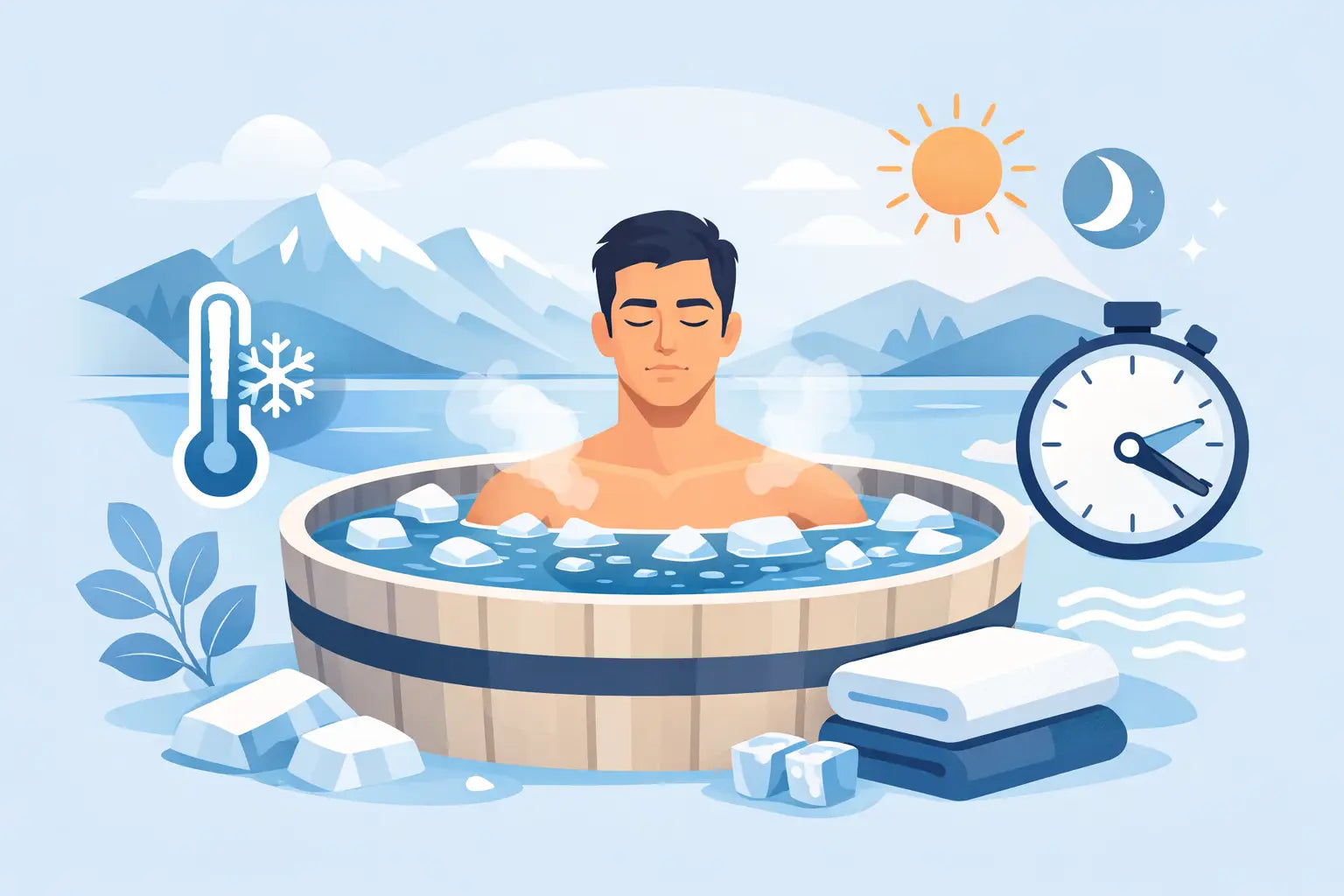
If you are new to this, keep the ritual simple. Choose a temperature that feels unquestionably cold but not overwhelming. Step in with control, lower to about chest depth, and focus on calm breathing rather than total immersion heroics.
You do not need to submerge your head to get value from a cold plunge. In fact, many people do better leaving the head out while they learn to regulate the body. Once the shoulders, chest, and torso are exposed, the recovery effect and mental training are already significant.
Frequency should be realistic. Two to four sessions per week is often enough to build adaptation without turning recovery into another source of pressure. If you already train hard, use cold exposure in a way that supports your broader routine instead of competing with it.
Common cold plunge technique mistakes
The most common mistake is fighting the water. People clench, breathe too fast, and try to overpower the experience. That usually creates more distress, not more benefit.
Another mistake is staying in too long too soon. Ambition is useful in training, but cold exposure responds better to measured progress. Build trust with the routine first. Duration can come later.
Timing can also be mismanaged. Some people love plunging immediately after intense training because it feels crisp and restorative. Others may prefer using it later in the day or on recovery-focused days. It depends on your goals. If muscle growth is your top priority, frequent immediate post-lift cold exposure may not always be the best fit. If reducing soreness, cooling down, or resetting mentally is the goal, it can make more sense.
The last mistake is treating every session the same. Sleep, stress, hydration, recent exercise, and even room temperature can change how the plunge feels. Smart users adjust.
Making cold plunging part of a luxury recovery routine
The best home wellness practices are the ones you actually want to repeat. That is why environment matters more than many people admit. A clean setup, consistent water quality, easy access, and a clear post-plunge routine all improve adherence.
This is where a premium home recovery space changes the experience. Instead of planning around a crowded gym or a spa appointment, you can move from training, to plunge, to sauna, to rest on your own schedule. The convenience is not just a luxury feature. It is what turns occasional use into a disciplined ritual.
For many households, the most effective sequence is simple: finish training or a demanding work block, enter the plunge with intention, warm up naturally afterward, and let the session create a reset point in the day. That can feel just as valuable for an executive coming off a high-stress afternoon as it does for an athlete managing soreness.
SaunaFit Recovery speaks to that kind of at-home discipline well. The goal is not to imitate a spa visit once in a while. It is to build an environment that supports stronger daily living.
Safety is part of the technique
A refined cold plunge technique is always a safe one. If you have cardiovascular concerns, blood pressure issues, circulation problems, or any medical condition that could make cold exposure risky, talk with a qualified healthcare professional before starting.
Never force long sessions, never plunge if you feel faint or unwell, and avoid using alcohol before cold exposure. If you are training alone at home, be even more conservative with duration and temperature. Strong technique includes restraint.
It also helps to have a warm, practical exit plan. Keep a towel and dry layers nearby. Let your body rewarm gradually. Jumping straight into very hot water or extreme heat can feel tempting, but a measured transition is usually the better move.
What progress actually looks like
Progress is not measured by how miserable a temperature you can tolerate. It looks more like this: your breath settles faster, your entry becomes less dramatic, your posture stays relaxed, and the experience shifts from chaotic to focused.
That is the mark of a cold plunge technique that is doing its job. You are not just enduring cold. You are building a response you can carry into training, recovery, and high-pressure moments outside the plunge.
If you want the practice to last, keep it honest. Stay within your capacity, refine the basics, and let repetition build confidence. The most effective ritual is the one that leaves you steadier when you step out than when you stepped in.