What Is Cold Therapy and How It Works
A hard workout, a high-stress week, or a body that just feels inflamed can change how you move through the day. That is usually when people start asking, what is cold therapy, and why do so many athletes, high performers, and wellness-focused homeowners make it part of their routine?
Cold therapy is the intentional use of cold exposure to support recovery, reduce soreness, improve resilience, and help the body reset after physical or mental strain. It can be as simple as an ice pack on a swollen joint or as immersive as a cold plunge in a dedicated tub. The method is straightforward. The effects can be powerful. But the real value is in understanding how it works, when it helps, and how to use it with purpose.
What Is Cold Therapy?
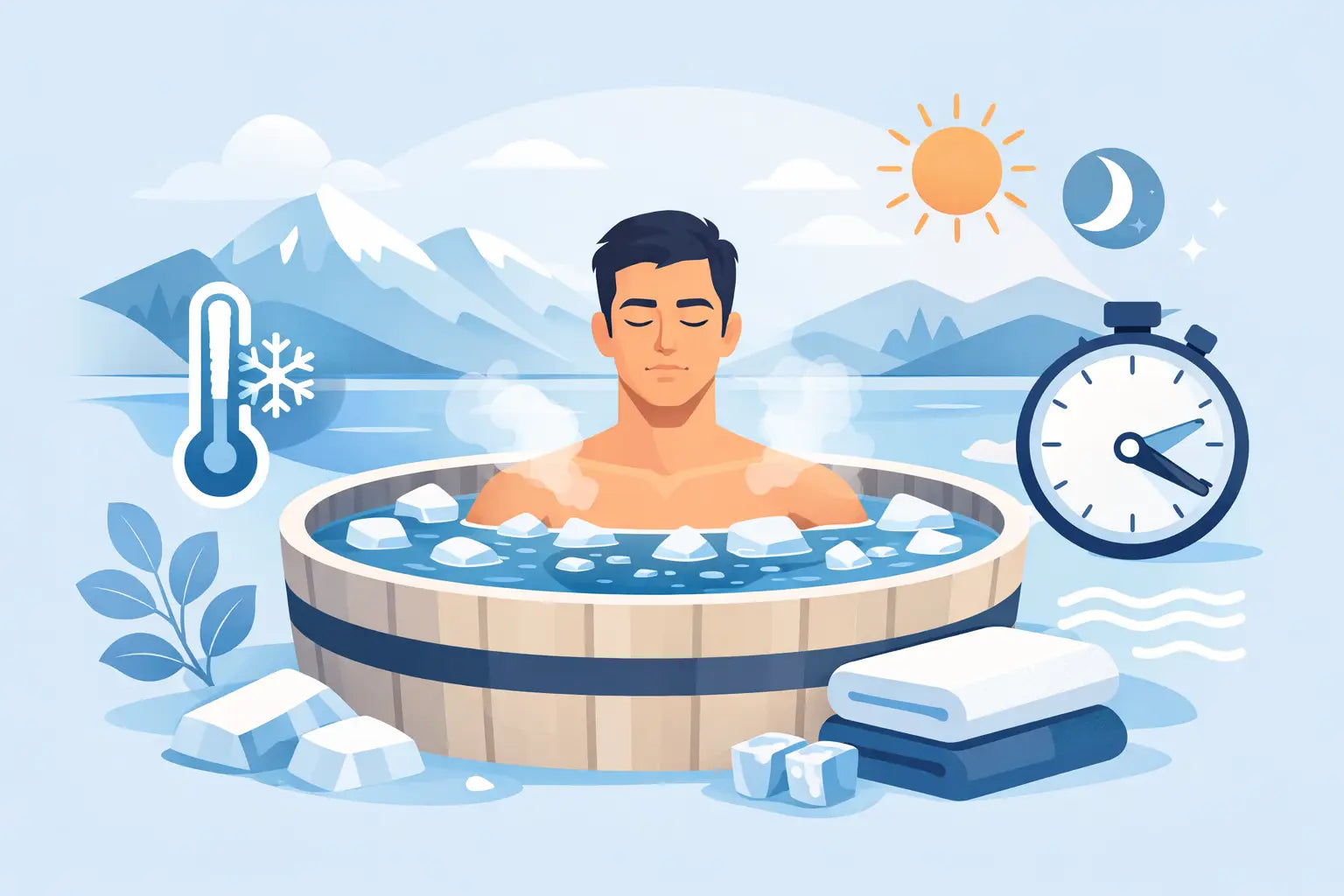
Cold therapy refers to exposing part of the body, or the entire body, to low temperatures for a short period of time. The goal is usually to reduce discomfort, limit swelling, stimulate circulation after the session, and create a stronger recovery response.
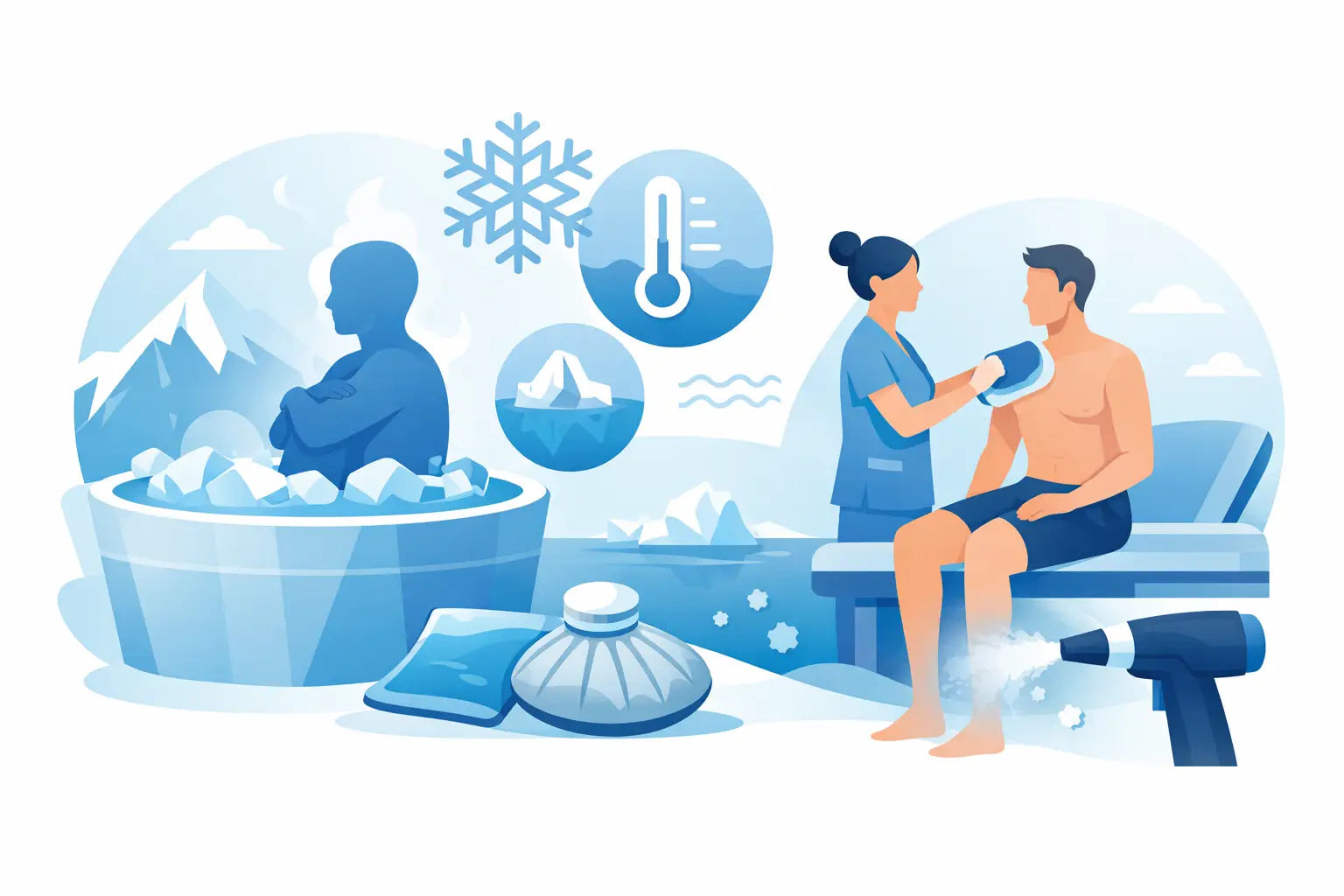
There is a broad range of cold therapy methods. Localized options include ice packs, cold compresses, and ice massage. Full-body approaches include cold showers, ice baths, cold plunge tubs, and cryotherapy chambers. These methods differ in intensity, comfort, and convenience, but the principle is the same. Cold creates a controlled stressor, and the body responds.
That response is why cold therapy appeals to such a wide group of people. Athletes use it to support muscle recovery. Busy professionals use it to sharpen focus and decompress. Wellness-minded homeowners see it as part performance tool, part daily ritual.
How Cold Therapy Works in the Body
When your body is exposed to cold, blood vessels near the skin constrict. This process, called vasoconstriction, helps reduce blood flow to the area for a period of time. In practical terms, that can help limit swelling and calm irritated tissue after intense exercise or minor injury.
Once the cold exposure ends and the body starts warming up, circulation increases again. Many people describe this rebound effect as energizing. Muscles feel less heavy. The body feels more awake. Mentally, there is often a noticeable shift too.
Cold exposure also activates the nervous system. Heart rate and breathing can spike at first, especially during a plunge. Over time, learning to stay calm in the cold may improve stress tolerance and breath control. That is one reason cold therapy has moved beyond sports recovery and into broader wellness routines.
There is a trade-off, though. More cold is not always better. Longer sessions and lower temperatures increase the stress on the body. For some people, that feels invigorating. For others, it can be too aggressive. Results depend on timing, temperature, duration, and your current health status.
The Main Benefits of Cold Therapy
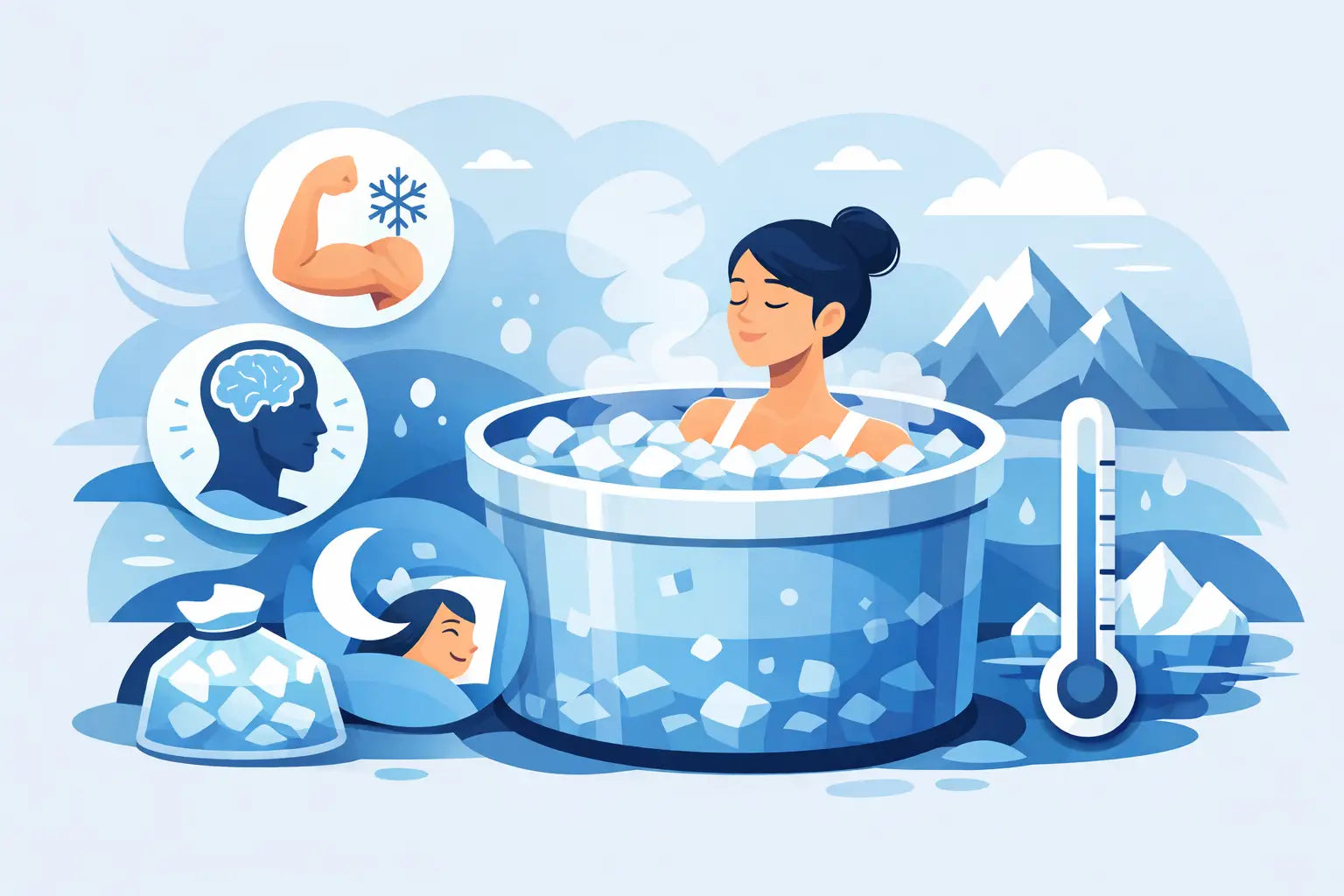
The most common reason people turn to cold therapy is muscle soreness. After hard training, especially strength work or high-volume conditioning, cold exposure may help reduce the perception of soreness and improve how quickly you feel ready for the next session.
It can also help with temporary inflammation and swelling. That makes it popular after demanding workouts, long runs, recreational sports, or physically taxing days. If you spend hours on your feet, travel often, or train consistently, cold therapy can feel like a fast reset.
There is also the mental side. A brief cold shower or plunge can create a clear sense of alertness. Many people use it to build discipline, sharpen focus, or break out of a sluggish state. The effect is not magic, but it is real enough that cold exposure has become part of many high-performance morning and recovery routines.
Some people also report better mood and a stronger sense of resilience when cold therapy becomes consistent. Part of that may come from physiology. Part of it may come from the practice itself. Doing something uncomfortable on purpose has a way of carrying over into the rest of the day.
What Cold Therapy Can and Cannot Do
Cold therapy is useful, but it is not a cure-all. It can support recovery, but it does not replace quality sleep, smart training, hydration, or nutrition. It may help you feel better faster, but it cannot undo chronic overtraining or poor movement patterns.
It is also worth knowing that reducing inflammation is not always the goal. After some types of strength training, the body uses inflammation as part of the adaptation process. If your main objective is maximizing muscle growth or training adaptation, frequent post-workout cold immersion may not always be ideal. This is one of those it depends situations.
If you are training for performance and trying to recover between hard sessions, cold therapy can be a strong tool. If you are chasing long-term hypertrophy after every lift, timing matters more. Using cold exposure later in the day, rather than immediately after strength work, may make more sense depending on your program.
Different Types of Cold Therapy
The simplest entry point is the cold shower. It is accessible, quick, and requires no special setup. It is also less intense than full immersion, which makes it easier for beginners.
Ice packs and cold compresses are more targeted. They are often used for small areas like knees, ankles, shoulders, or the lower back. This is practical when the issue is localized rather than full-body fatigue.
Ice baths and cold plunges offer deeper immersion and a more elevated experience. They are especially popular among athletes and homeowners creating a dedicated recovery space. A well-designed plunge setup makes consistency easier, and consistency is what turns cold therapy from an occasional challenge into a lasting practice.
Cryotherapy chambers expose the body to very cold air for a brief session. Some people like the speed and intensity, but it is a different experience from water immersion. Water transfers cold more efficiently than air, so even warmer plunge temperatures can feel more demanding than cryotherapy.
How to Start Cold Therapy Safely
If you are new to cold exposure, start conservatively. There is no prize for making the first session miserable. A brief cold shower at the end of a normal shower is often enough to introduce the body to the sensation and build confidence.
For immersion, moderate temperatures and short sessions are the smart starting point. Focus on controlled breathing. The first reaction is usually a gasp or rush of tension. That is normal. The skill is learning to settle, not fight it.
It also helps to be consistent rather than extreme. Two or three manageable sessions a week are usually more effective than one punishing session that makes you avoid the next one. Routine builds adaptation.
Never use cold therapy recklessly after alcohol, when alone in unsafe conditions, or if you have a medical condition that affects circulation, heart health, or blood pressure without speaking to a healthcare professional first. Cold exposure is a stressor. Used well, it can be restorative. Used carelessly, it can be risky.
When Cold Therapy Makes the Most Sense
Cold therapy tends to work best when the goal is recovery, refreshment, or resilience. After tough conditioning, long endurance efforts, recreational sports, or physically demanding travel, it can help the body feel more capable and less taxed.
It also fits naturally into a premium home wellness routine. A cold plunge paired with sauna use creates a rhythm of heat, cold, and rest that many people find deeply restorative. The contrast can leave you feeling both calm and charged up, which is rare in a single practice.
For homeowners building a serious recovery environment, that is part of the appeal. Cold therapy is not only about soreness. It becomes a ritual that supports performance, mental clarity, and the standard of how you want to feel in your own space.
What Is Cold Therapy Really For?
At its best, cold therapy is not about chasing discomfort for its own sake. It is about using controlled stress to improve how you recover and how you respond. Sometimes that means easing sore legs after training. Sometimes it means stepping into cold water after a long day and coming out feeling reset, sharper, and more in command.
That is why cold therapy continues to earn a place in modern wellness. It meets people where they are, whether they want faster recovery, better stress tolerance, or a more intentional daily routine. Start simple, stay consistent, and let the practice build with you. The cold should challenge you, but it should also leave you stronger on the other side.