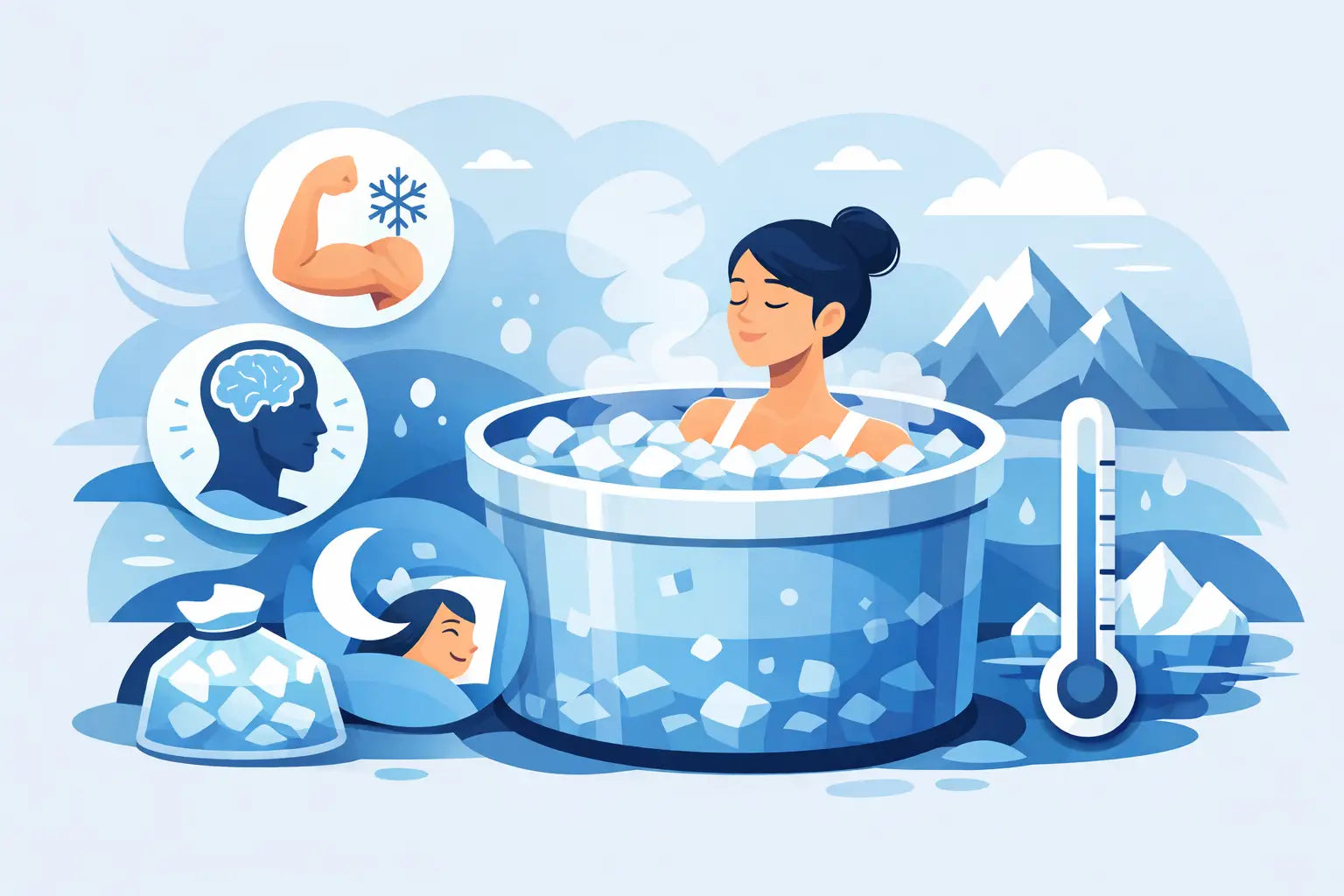
Why Is Cold Therapy Good for You?
A two-minute cold plunge can change the tone of your whole day. You step in tense, distracted, and carrying soreness from training, travel, or long hours at a desk. You step out alert, reset, and more in control. That shift is exactly why is cold therapy good for you is such a common question among people building a serious wellness routine at home.
Cold therapy has moved well beyond locker rooms and elite training facilities. It now sits at the center of a broader recovery lifestyle, one that blends performance, stress management, and daily discipline. For many people, the appeal is simple: cold exposure feels intense, but the payoff can be immediate.
Why is cold therapy good for you in the first place?
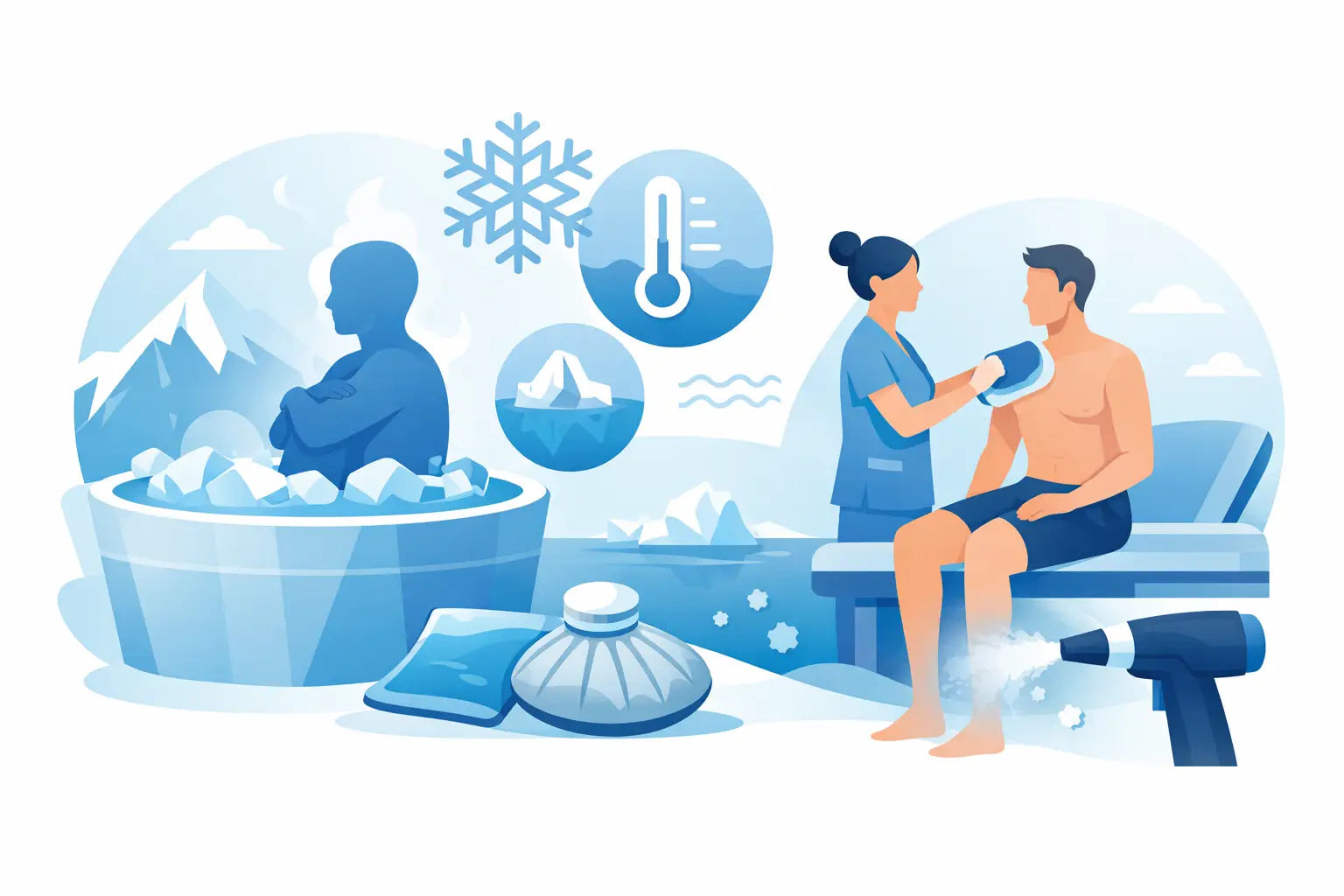
At its core, cold therapy is a controlled stressor. When your body meets cold water, cold air, or an ice-based treatment, it responds fast. Blood vessels narrow, breathing changes, heart rate rises briefly, and your nervous system becomes highly alert. Once the exposure ends, the body shifts again, often creating a strong sense of release and recovery.
That contrast is where much of the benefit lives. Cold therapy is not relaxing in the same way a hot tub or sauna is relaxing. It is energizing first, calming second. For people who want to Power Your Performance and still protect their recovery, that combination is compelling.
The body also tends to treat cold as a signal to adapt. Over time, many people report that they feel more resilient, less reactive to stress, and better able to recover after hard effort. Some of that is physical. Some of it is mental. In practice, both matter.
It can help reduce soreness and support recovery
This is one of the biggest reasons athletes and active adults use cold therapy. After intense exercise, the body produces inflammation as part of the repair process. Some inflammation is normal and useful, but too much can leave you feeling heavy, stiff, and slow to bounce back.
Cold exposure may help blunt some of that post-workout soreness, especially after demanding sessions, competitions, or periods of heavy training. Many people use cold plunges after lower-body training, endurance work, or repeated high-impact activity because they want to feel more functional the next day.
There is one important trade-off here. If your main goal is maximizing muscle growth or strength adaptation, frequent cold immersion immediately after every resistance workout may not always be ideal. The same inflammatory process that creates soreness also helps drive adaptation. That does not make cold therapy bad for strength training. It just means timing matters. Use it more strategically when recovery is the priority, not automatically after every session.
Cold therapy may improve circulation through contrast
People sometimes assume cold therapy simply reduces blood flow and stops there. The reality is more dynamic. During exposure, blood vessels constrict. Afterward, as the body warms again, circulation shifts. That process can create a noticeable feeling of reawakening in the limbs and a refreshed sense of physical readiness.
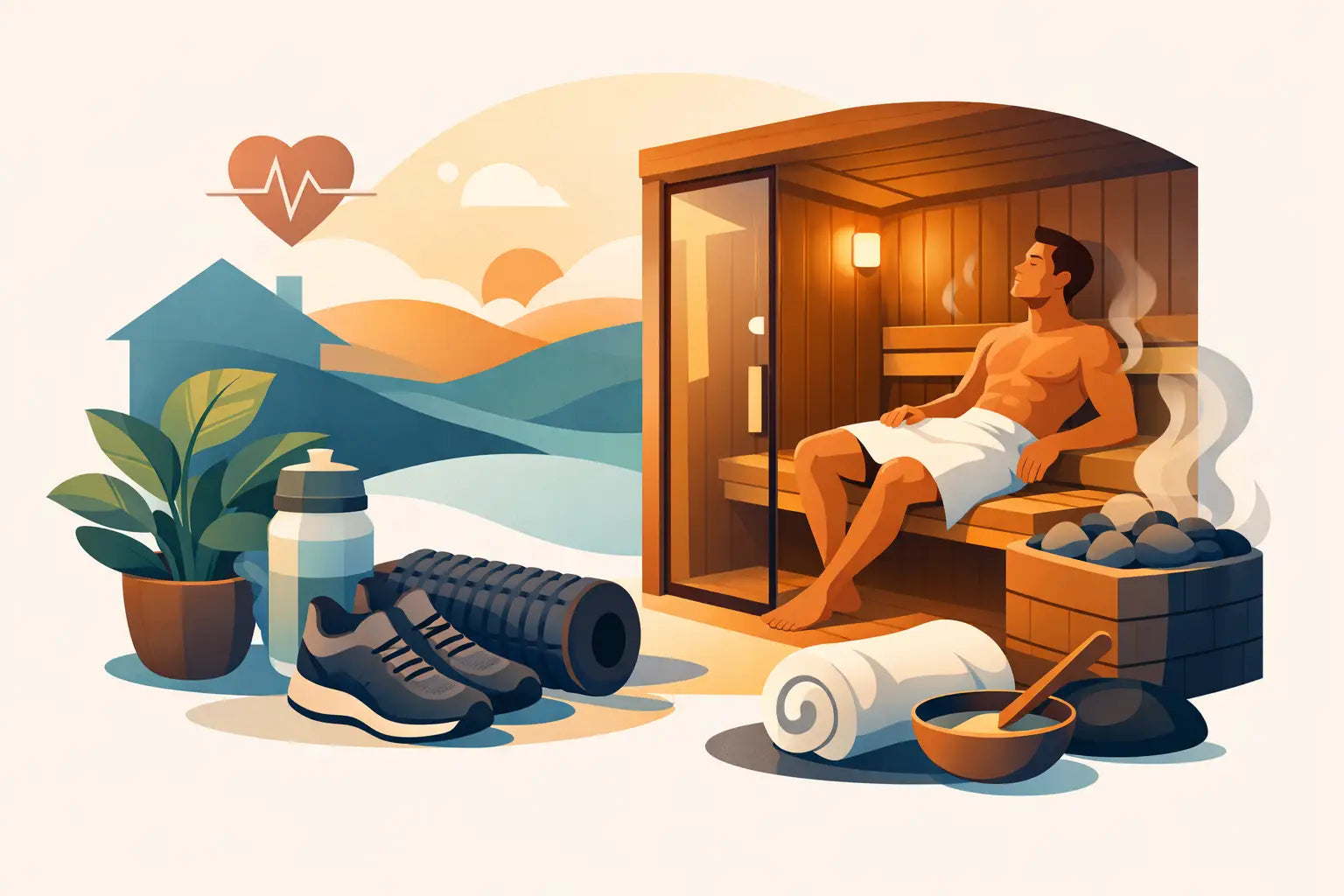
This is one reason cold therapy pairs so naturally with heat-based recovery. Alternating sauna and cold plunge is popular not just because it feels invigorating, but because the contrast itself can be part of the experience. Heat opens the body up. Cold sharpens it. Together, they create a rhythm that many people find deeply restorative.
For wellness-minded homeowners investing in a more complete recovery space, this is where cold therapy becomes more than a trend. It becomes a ritual with structure and purpose.
It can sharpen focus and energy fast
Cold gets your attention. Immediately.
The first seconds of cold exposure trigger a powerful wake-up response. Breathing quickens, the mind clears, and the body becomes highly present. For busy professionals, parents, and anyone carrying mental fatigue, that fast reset can be one of cold therapy’s most practical benefits.
Many users describe it as cleaner than caffeine. Not stronger, necessarily, but cleaner. You feel switched on without the same mental fuzziness or crash. Morning cold plunges are especially popular for this reason. They can create a distinct line between sleep and performance mode.
That said, intensity matters. More is not always better. A short, controlled session is often enough. If the experience leaves you feeling drained instead of energized, the exposure may be too long, too cold, or poorly timed for your current recovery state.
Why cold therapy is good for you mentally
The mental side of cold therapy deserves more attention than it gets. Yes, the physical effects matter. But one reason people stick with cold exposure is that it trains composure.
When you enter cold water, the first urge is usually to escape. Staying calm requires deliberate breathing, focus, and control. That moment becomes a practice in managing discomfort without panic. Over time, that can carry into other parts of life.
For high performers, this is a major draw. Cold therapy asks for discipline in a world built around convenience. It gives you a chance to choose challenge on purpose. That can build confidence, not because the cold itself is magical, but because showing up for discomfort changes how you relate to stress.
Some people also find that cold exposure improves mood and helps them feel reset after emotionally heavy days. While it is not a replacement for medical or mental health care, it can be a useful part of a broader resilience routine.
It may support stress regulation
This point can sound contradictory. How can a stressor help with stress?
The answer is dosage. Cold therapy introduces a brief, controlled challenge, then lets the body recover from it. That pattern may help improve your ability to respond to stress in a more measured way. Instead of feeling overwhelmed by every demand, you build tolerance for intensity in a setting you can control.
This is one reason cold therapy often works best as a ritual rather than a random experience. A consistent setup, a repeatable breathing approach, and a short exposure window create predictability. The body learns the pattern. The mind starts to trust it.
For many adults balancing work, family, training, and recovery, that sense of control is valuable in itself.
It can support better recovery habits overall
One underrated benefit of cold therapy is behavioral. People who invest in a high-quality recovery practice at home tend to use it as an anchor for other habits. A cold plunge session often leads to better hydration, more structured training recovery, improved sleep routines, and more intentional wellness time.
That matters because no recovery tool works in isolation. Cold therapy is most effective when it fits into a larger system. Sleep, mobility, training volume, nutrition, and stress all affect the result. If cold exposure helps you become more consistent with those fundamentals, its value extends well beyond the tub.
This is especially true in home wellness environments, where convenience shapes behavior. If your recovery tools are close, beautiful, and ready to use, you are far more likely to build a routine around them.
When cold therapy may not be the right move
Cold therapy is not for everyone, and it is not always the right choice every day. People with certain cardiovascular conditions, circulation disorders, or specific medical concerns should talk with a healthcare professional before trying it. The same goes for anyone who has had adverse reactions to extreme temperatures before.
It also may not fit every training goal. If you are chasing peak hypertrophy, doing long cold plunges after every lifting session may not align with that objective. If you are already exhausted, under-recovered, or sleeping poorly, aggressive cold exposure can feel like another demand on the system rather than a support.
The smartest approach is measured and personal. Start shorter than you think you need. Pay attention to how you feel afterward and the next day. The best routine is the one that leaves you feeling stronger, clearer, and more recovered, not simply the one that looks toughest on paper.
How to make cold therapy work in real life
If you are new to it, keep it simple. Focus on consistency, not heroics. A brief session done well is more useful than a punishing one you dread repeating.
Timing depends on your goal. Morning sessions often work well for focus and energy. Post-training use can make sense when reducing soreness is the main priority. Pairing cold therapy with sauna use can create a premium recovery ritual that feels both invigorating and grounding.
The setting matters too. A rushed, improvised experience is harder to sustain than one built into your home and your schedule. That is part of the appeal behind elevated recovery spaces. They turn wellness from an occasional decision into a daily standard.
For people creating that kind of environment, SaunaFit Recovery speaks to a growing shift in how wellness is lived. Not as an extra. As part of the home itself.
Cold therapy is good for you when it helps you recover with more intention, manage stress with more control, and meet your day with more energy than you had before you stepped in. Used well, it is not just a shock to the system. It is a practice in becoming harder to rattle and easier to restore.