

Cold Plunge vs Ice Bath: What Sets Them Apart?
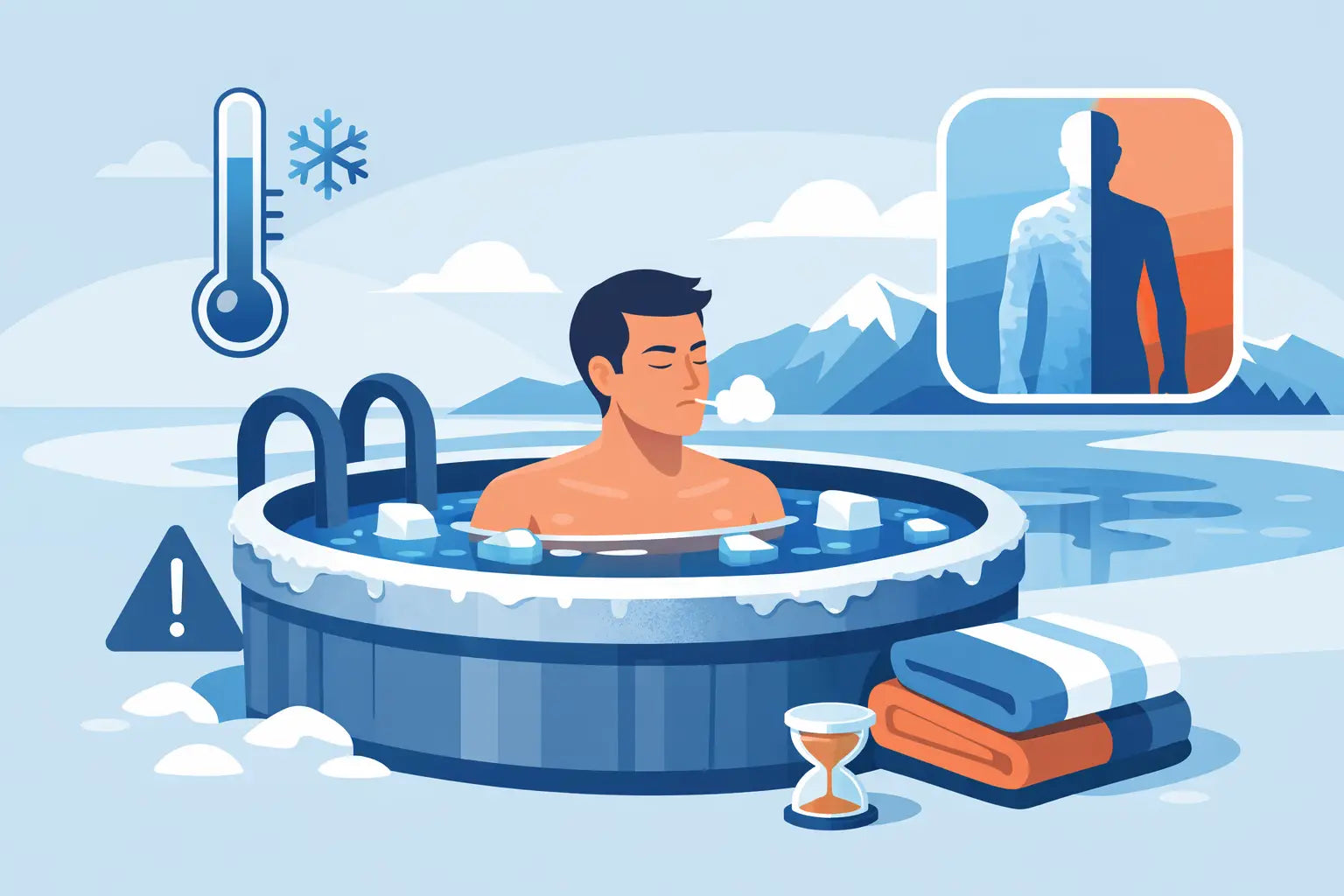
If you are building a serious recovery routine at home, the cold plunge vs ice bath question comes up fast. On paper, they look similar - cold water, short sessions, a stronger body afterward. In practice, they create very different experiences in terms of consistency, comfort, maintenance, and long-term value.
For some people, an ice bath is a simple way to test cold therapy without a major commitment. For others, a dedicated cold plunge becomes part of a disciplined daily ritual - right alongside strength training, sauna sessions, and sleep optimization. The right choice depends less on trends and more on how you want recovery to fit into your life.
Cold plunge vs ice bath: the core difference
The simplest way to think about cold plunge vs ice bath is this: an ice bath is usually a temporary setup cooled with bags of ice, while a cold plunge is a purpose-built system designed to keep water at a set temperature.
That distinction matters more than it sounds. An ice bath can be as basic as a tub, stock tank, or barrel filled with water and ice. It is accessible, but it takes planning every time. You need ice, time, and a little tolerance for inconsistency. One session may feel manageable, while the next is far colder or warmer than expected.
A cold plunge is built for repeat use. Most premium systems give you controlled temperatures, cleaner water circulation, and a more polished setup that fits naturally into an elevated home wellness space. If your goal is regular use, consistency becomes a real advantage.
Why consistency matters more than intensity
Many people assume colder is always better. It is not that simple. Recovery benefits often come from regular exposure rather than turning every session into a test of grit.
With an ice bath, temperature can swing depending on how much ice you add, how warm the room is, and how quickly the ice melts. That makes it harder to create a reliable protocol. If you are trying to recover after training, reduce soreness, or reset mentally after a long day, unpredictability works against you.
A cold plunge supports a steadier routine. You can choose a target temperature, stay there, and build habits around it. That is especially valuable for busy professionals, athletes, and homeowners who want wellness tools that support discipline rather than create another chore.
The experience at home feels very different
This is where the gap becomes obvious.
An ice bath often feels improvised. You fill the tub, carry the ice, wait for it to cool, and use it before the water shifts temperature. That can work well if you are occasional about cold therapy or just want to experiment. It is not always ideal if you want a clean, ready-to-use ritual before work, after training, or after a sauna session.
A cold plunge feels more integrated. It is there when you are ready. The water is cold. The setup looks intentional. The overall experience is closer to a private wellness suite than a DIY recovery hack.
For homeowners designing a complete recovery environment, that difference matters. Performance tools should fit your schedule and your space. They should support deep renewal without adding friction.
Cost is not just about the purchase price
Ice baths usually win on entry cost. If you already have a tub or can use a basic container, getting started may be inexpensive. That makes them appealing for first-time users or anyone unsure whether cold therapy will stick.
But lower upfront cost does not always mean better value over time. Buying ice repeatedly adds up. So does the time spent setting everything up. If you use cold therapy often, convenience starts to carry real weight.
A cold plunge costs more at the beginning, especially if you want a premium model with filtration and temperature control. In return, you get a system designed for ongoing use. For people committed to recovery, that can be the smarter investment. You are not just paying for cold water. You are paying for readiness, consistency, cleaner maintenance, and a more refined daily routine.
Maintenance and cleanliness
This is one of the least glamorous parts of the decision, but one of the most important.
An ice bath sounds simple until you think about cleanup, water changes, and general hygiene. If the setup is temporary, that may be manageable. If it becomes frequent, the process gets old fast. Standing water, melting ice, and repeated refills are not exactly luxurious.
A cold plunge is usually easier to maintain because it is designed for regular ownership. Better systems include filtration, circulation, and materials meant to hold up under repeated use. That does not mean no maintenance, but it does mean maintenance is more predictable.
If you are investing in an elevated recovery space, cleanliness is not a small detail. It shapes whether you use the product once a week or make it part of your lifestyle.
Which one is better for recovery?
Both can support recovery. Both can help reduce the feeling of post-workout soreness, sharpen mental resilience, and create a strong physical reset. The difference is not whether cold water works. The difference is whether your setup helps you use it consistently and comfortably enough to keep going.
An ice bath can absolutely be effective. If you are disciplined, do not mind preparation, and only plan to use it occasionally, it may be all you need.
A cold plunge is usually better for people who want a sustainable recovery habit. That includes active adults training several days a week, executives using cold exposure for stress reset, and anyone pairing cold therapy with sauna use for a more complete at-home wellness circuit.
In other words, the better option is often the one you will actually use.
Cold plunge vs ice bath for different lifestyles
For the curious beginner
If you are still testing your tolerance and want to see whether cold therapy fits your life, an ice bath is a practical starting point. It keeps the barrier to entry lower and lets you experience the basics before committing to a larger purchase.
For the committed fitness routine
If training, mobility, and recovery are already part of your week, a cold plunge usually makes more sense. It removes excuses. After a hard lift, a long run, or a demanding workday, the system is ready.
For the luxury wellness home
If your goal is to create a spa-grade environment at home, a cold plunge fits the vision far better. It feels intentional and premium, not improvised. For many homeowners, that matters just as much as the physiological benefit.
For shared household use
A dedicated cold plunge also works better if multiple people in the home plan to use it. Consistent temperature, better sanitation, and easier access create a smoother experience for everyone.
A few trade-offs worth knowing
Cold plunges are not perfect for every buyer. They take up more dedicated space, cost more upfront, and may require more thought around placement. If you are not sure you will use one regularly, that investment can feel premature.
Ice baths are flexible and affordable, but they demand more effort. That effort is easy to overlook when motivation is high and much harder to ignore on a busy Tuesday morning.
There is also the comfort factor. Not comfort during the cold exposure itself - that is never exactly soft living - but comfort around the ritual. A better-designed setup tends to make the whole process feel more approachable, which can lead to stronger long-term adherence.
How to choose the right setup
Start with honesty, not ambition. Ask yourself how often you realistically plan to use cold therapy, how much effort you want to spend on setup, and whether this is a temporary experiment or part of a bigger investment in your home wellness environment.
If you want occasional exposure with minimal upfront cost, an ice bath is a fair place to begin. If you want convenience, repeatability, and a premium recovery experience, a cold plunge is in another class.
For many households, the decision comes down to this: do you want cold therapy to be something you try, or something you live with? That is where the cold plunge tends to pull ahead.
At SaunaFit Recovery, that distinction matters because the best wellness tools do more than look impressive. They make healthy routines easier to keep.
Choose the option that fits your standards, your schedule, and the kind of recovery ritual you want waiting for you at home.