
Is a Cold Plunge Safe? What to Know
The appeal is easy to understand. A cold plunge promises a sharper mind, less soreness, a more intentional recovery ritual, and a moment that feels equal parts discipline and reset. But before you bring one into your routine, the real question is simple: is a cold plunge safe?
The honest answer is yes, for many healthy adults, a cold plunge can be safe when it is done with the right temperature, timing, and precautions. It is not automatically safe for everyone, and it is not the kind of wellness tool you should treat casually just because it looks clean, modern, and invigorating in a home setup. Cold exposure is powerful. That is exactly why it deserves respect.
Is a Cold Plunge Safe for Most People?
For generally healthy adults, cold plunging is often safe when sessions are short, water temperatures are controlled, and the body is eased into the practice over time. That matters because the biggest risks usually show up when people go too cold, stay in too long, or ignore medical conditions that make sudden cold exposure more dangerous.
Cold water creates an immediate stress response. Your breathing changes, blood vessels constrict, heart rate can rise, and your body works quickly to preserve core temperature. In a controlled setting, many people handle that response well and even come to value it as part of a high-performance recovery routine. It can feel energizing, clarifying, and deeply restorative after training or a demanding day.
Still, safe does not mean risk-free. If you have cardiovascular disease, uncontrolled high blood pressure, a history of arrhythmias, poor circulation, nerve damage, or any condition that affects how your body regulates temperature, a cold plunge may carry more risk than benefit. The same caution applies during pregnancy or if you are recovering from a recent illness or surgery. In those cases, medical clearance is the smart first step.
Why Cold Plunges Can Become Unsafe
Most cold plunge problems are not caused by the concept itself. They happen because of poor judgment, bad setup, or trying to push through discomfort as if more suffering always equals better results.
The first issue is cold shock. When your body enters very cold water, you may gasp or hyperventilate. That response can be intense, especially for beginners. If you enter too quickly or start with water that is far colder than your body is ready for, those first moments can feel overwhelming rather than therapeutic.
The second issue is staying in too long. More time is not always more effective. Once muscles and skin cool significantly, the experience can move from refreshing to stressful fast. Dizziness, numbness, confusion, or uncontrolled shivering are not signs of mental toughness. They are signs to get out.
There is also the environment itself. A home cold plunge should feel like a premium recovery tool, not an improvised ice bath with inconsistent temperature, slippery footing, and questionable sanitation. Clean water, stable surfaces, easy entry and exit, and reliable temperature control all matter. Safety is not separate from luxury. In a well-designed home recovery space, they should come together.
Who Should Be More Careful
If you are healthy, active, and accustomed to recovery practices, cold plunging may be a strong fit. If you have specific medical concerns, caution matters more.
People with heart conditions should be especially careful because sudden cold exposure can increase cardiovascular strain. Anyone with uncontrolled hypertension should also pause before jumping in, since cold water can elevate blood pressure. If you have asthma, the shock of cold air and water may make breathing feel more difficult at the start of a session.
Diabetes and neuropathy create another layer of concern because reduced sensation can make it harder to recognize when the body is becoming too cold. Raynaud's phenomenon and circulation issues can also make cold exposure unusually uncomfortable or risky.
Even for healthy adults, alcohol, dehydration, sleep deprivation, and exhaustion can make cold plunging less predictable. If your body is already taxed, the plunge may not land as cleanly as it would on a more stable day.
How to Make a Cold Plunge Safer
The safest approach is also the most effective one for long-term use: start controlled, stay consistent, and never force adaptation.
Begin Warmer Than You Think
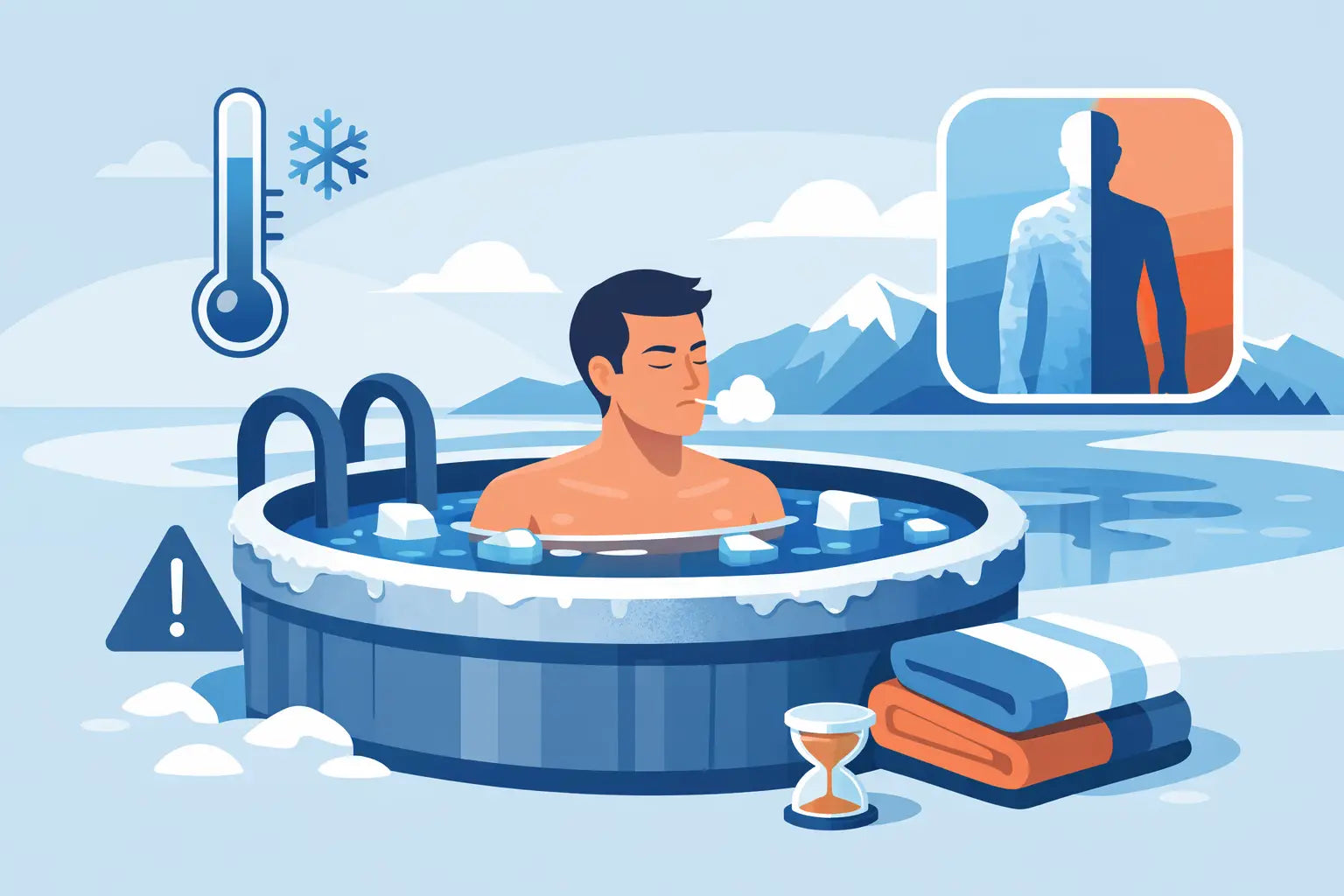
A lot of people assume colder is better. Usually, it is just harder. Beginners do not need near-freezing water to get a meaningful effect. Starting in a more moderate cold range gives your body room to adapt without turning the experience into a shock event.
For many people, water in the low-to-mid 50s Fahrenheit feels plenty cold enough at first. As tolerance builds, some users choose to go colder, but there is no prize for starting at the extreme end.
Keep Sessions Short
A short session can deliver the mental and physical reset most people want. A few minutes is often enough, especially early on. If you are new to cold therapy, think in minutes, not endurance milestones.
The goal is to exit feeling alert and restored, not depleted. If your hands, feet, or skin feel painfully numb, or your breathing never settles, the session has gone too far.
Control Your Entry
Rushing into very cold water can trigger a harder stress response. Enter slowly and focus on your breath. Let your body adjust for a few seconds at a time rather than dropping in with zero control.
That breathing piece is not just mental coaching. It is one of the clearest ways to keep the experience safe. If you cannot get your breathing under control, you should not stay in.
Never Plunge Alone if You Are New
For a beginner, having another person nearby is a smart move. That does not mean cold plunging needs to be dramatic. It means early sessions should be approached with the same discipline you would bring to any serious recovery tool.
If you ever feel faint, disoriented, or unable to rewarm comfortably afterward, stop and reassess before your next session.
Rewarm Gradually
After a cold plunge, your body needs time to return to baseline. Dry off, put on warm clothes, and move gently. You do not need to sprint to prove resilience. A calm rewarming period supports a more balanced recovery response.
Is a Cold Plunge Safe After a Workout?
Often, yes, but timing and goals matter.
If your focus is reducing soreness and feeling refreshed after intense training, a cold plunge may be useful. Many athletes appreciate the way it helps them feel ready for the next session, particularly during heavy training blocks or busy workweeks when recovery needs to be efficient.
If your primary goal is maximizing muscle growth or certain strength adaptations, immediate post-workout cold exposure may not always be ideal. Some research suggests that using cold therapy right after resistance training could blunt parts of the muscle-building response. That does not make cold plunging bad. It just means context matters.
For someone balancing performance, stress management, and daily recovery, the best routine may not be the coldest or most aggressive one. It may be the one you can sustain with intention.
The Difference Between Product Safety and User Safety
When people ask, is a cold plunge safe, they are usually asking about the body. But the equipment matters too.
A thoughtfully designed cold plunge supports safer use through consistent temperatures, better hygiene, easier access, and a more stable overall experience. Premium systems also make it easier to build a ritual you will actually use, which tends to reduce reckless decision-making. When a setup feels clean, controlled, and convenient, people are more likely to respect the process.
That is one reason high-end home recovery spaces continue to grow among homeowners, athletes, and high-performing professionals. The goal is not just adding another wellness item. It is creating an environment where recovery feels accessible enough to practice well.
When to Skip the Plunge Entirely
There are days when discipline means not getting in.
Skip the plunge if you are sick, feverish, unusually lightheaded, or dealing with chest pain. Skip it if you have open wounds that should not be exposed, or if your body is already struggling to stay warm. And if you have a known medical condition that makes cold exposure questionable, do not rely on internet bravado over clinical guidance.
A premium wellness routine should make you stronger, not push you into avoidable risk.
Cold plunging can absolutely earn its place in a sophisticated home recovery practice. It can sharpen focus, support recovery, and add a powerful edge to how you reset. The best results come when you treat it like a serious tool: controlled, intentional, and matched to your body. If you start there, safety becomes part of the ritual, not an afterthought.